

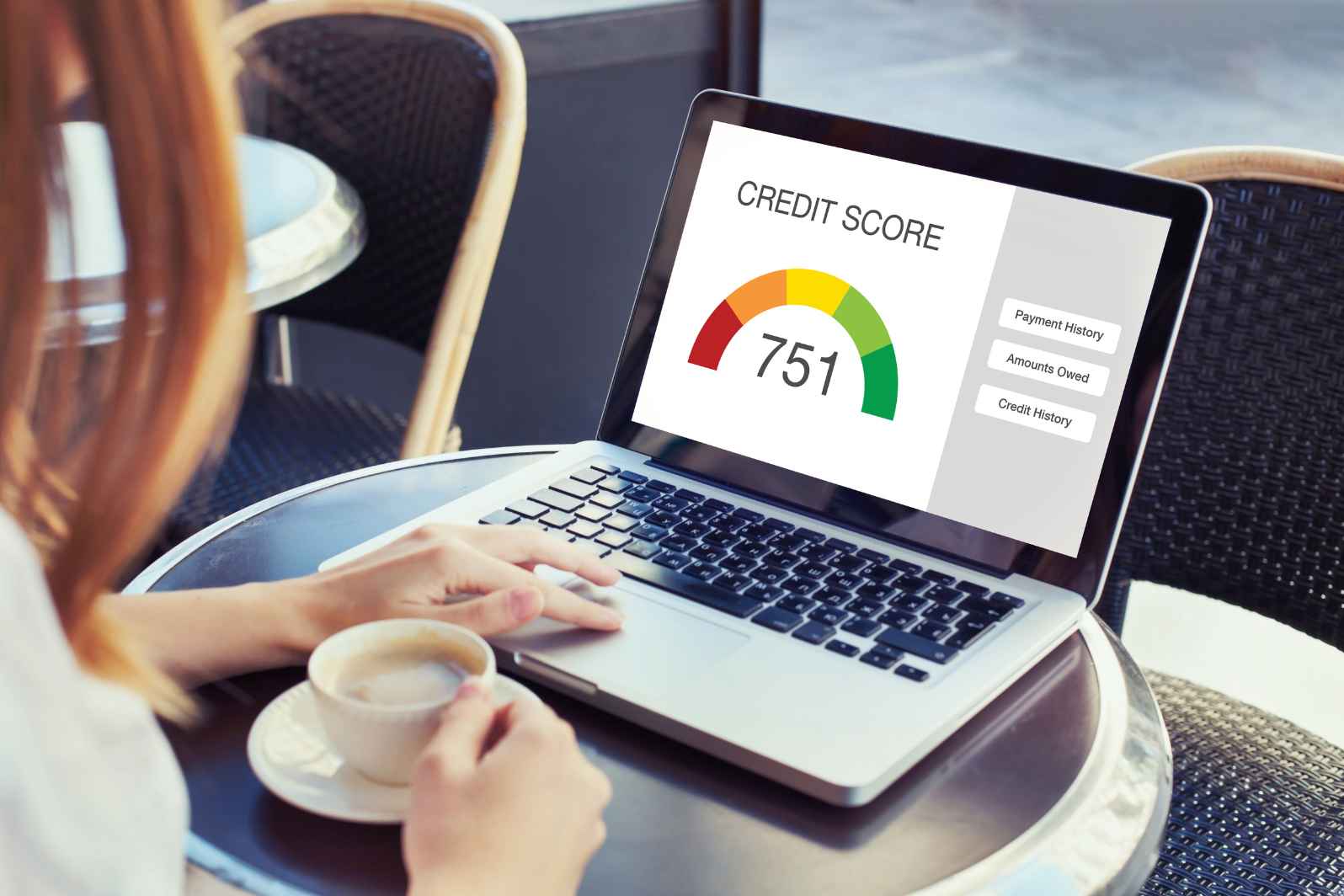
Your credit score is more than a three-digit figure; it’s a window into your financial responsibility and integrity. A good score unlocks access to better loans, lower interest rates and possibly even favorable insurance terms. With a lousy score, on the other hand, it can be difficult to borrow or rent — and in some industries, get a job. Credit scores are not fixed, which is the good news. With a few savvy moves and responsible habits, anyone can get their score moving in the right direction and set themselves up for long-term financial health.
1. What Is a Credit Score?
Your credit score is a three-digit number that reflects your creditworthiness. It’s based on your credit history, which is a record of how you’ve handled loans, credits cards and bill payments.
Example: In India, credit bureaus such as CIBIL give scores at a range of 300-900. Good: Typically, score 650 to 749 is good and anything above that, say over 750 can be great as well.
The lesson: Your credit score is your reputation in the world of financing, and tells how responsibly you have been managing debt.
2. How Credit Scores Are Calculated
A few major factors contribute to your credit score, each with a different impact.
- Payment history (35%) – On time, or late bill payment
- (Credit utilization, 30%) – The extent to which you use your credit limit
- Length of credit history (15%) – How long you’ve had credit accounts
- New credit inquiries (10%) – the frequency that you obtain new credit
- Credit mix (10%) – your mix of credit types.getSimpleName()});})();
The bottom line: By knowing these factors, you can focus on what matters when it comes to raising your score.
3. Check Your Credit Report Regularly
Before you can make improvements, you have to know what your starting point is. Seeing your credit report can allow you to see errors or fraudulent activity that are dragging down your score.
Example: If you have a loan on your report that you never took out, you can dispute it with the credit bureau.
The takeaway: Consistent credit checks shield you from errors and identity theft.
4. Pay All Bills on Time
Your payment history is the primary driver of your credit score. One missed payment can lower your score by hundreds of points.
Example: Automate your EMI payments and utility bills, or even the payment of credit card dues.. so that you don’t miss out on any due dates.
The takeaway: Consistency is key. Paying on time lets lenders know they can trust you.
5. Keep Credit Utilization Low
Credit utilization is the percentage of your credit card balance compared to the credit limit. High utilization rates indicate financial strain.
For instance: If I have ₹1,00,000 limit in my card so to maintain a better utilization rate of 30%, you should not owe more than ₹30,000.
The takeaway: Be judicious with your spending and make paydowns to boost your credit score quickly.
6. Avoid Too Many Credit Applications
When you apply for new credit, lenders generate hard inquires on your report that hurt your score temporarily. Multiple loan or card applications in a short period can damage your credit profile.
Example: Get only one or two cards at a time rather than three (or more).
The takeaway: Only apply for credit when necessary to avoid looking risky lenders.
7. Keep Old Accounts Open
The better established your credit history, the greater. Closing old accounts shrinks your credit age and might lower your score.
Example: You haven’t used an old credit card in years, but keeping it open (and occasionally using it) allows you to keep the length of your credit.
The takeaway: Longevity builds credibility. Try not to close any accounts you may have had open for a long time, which will help raise your score.
8. Diversify Your Credit Mix
Lenders also like borrowers who are able to manage a mix of credit types responsibility. A combination of secured and unsecured loans may benefit your score.
Example: If you have a car loan (secured) and a credit card (unsecured), then it indicates that you can handle different types of credit lines.
The lesson: A thoughtful credit portfolio is a sign of financial adulthood.
9. Dispute Errors on Your Report
Errors on your credit report can have a big downward impact on your score, so it’s important to correct them as soon as possible.
Sample: You identify an incorrect late payment, dispute to CIBIL or other credit bureaus online and submit your proof of on time payment.
The bottom line: Improving just one error can lift your score in weeks.
10. Increase Your Credit Limit
If you have good payment behavior, ask your bank for a greater credit limit. This will bring your utilization ratio down without you having to do anything, boosting your score.
Example: If you increase your limit from ₹50,000 to ₹1,00,000 while keeping the spending constant reduces utilization and enhances your score.
The takeaway: A higher limit — when used responsibly — has the potential to help improve your credit health.
11. Pay Credit Card Balances Every 2 Weeks
Instead of waiting until the end of the billing cycle, paying your balance twice a month helps maintain a low utilization throughout the month.
Illustration: If your monthly bill comes to ₹20,000, pay ₹10,000 in the mid-cycle and the balance at month-end.
Here’s the takeaway: Regular payments demonstrate responsible use of credit and increase scoring stability.
12. Don’t Co-Sign or Take Out Joint Loans Imprudently
When you co-sign a loan, you’re sharing in the responsibility for paying it back. Your credit score is also ding’d if the other borrower defaults.
Example: You co-sign a friend’s personal loan, and your friend is 60 days late on making payments that eventually default. Your credit score can take a hit even if you are perfect on all accounts of your own.
The takeaway: Be careful about sharing credit responsibility.
13. Use Credit Builder Loans or Secured Cards
If that’s not the case for you, and your score is low or if you have little credit history, consider a product specifically designed to help establish a payment history.
Example: Some banks provide secured credit cards, which are backed by fixed deposits and can be used to build credit safely.
The lesson: Start small, build confidence and your score will increase gradually.
14. Monitor Progress and Stay Consistent
Credit repair is a slow and patient process. Track your score every few months to measure progress and shape your habits.
Example: It can be a bit of a hassle, but many credit bureaus offer free monthly updates to help you keep yourself informed.
The lesson: Consistency pays off, and small changes add up to big financial victories.
Conclusion
Raising your credit score is not a one-and-done activity but an ongoing commitment to financial responsibility. By paying your bills on time, carrying low balances, attempting to review your credit report and being weary of new credit, you can positively impact your score and keep it high. It’s not just about saving you money now, your strong credit score establishes your financial strength and trajectory for the future.
FAQs:
Q1. What is the range of a good credit score?
A score of 750 or above is often considered excellent, improving your chances of securing loans with the lowest interest rates.
Q2. How quickly can I raise my credit score?
Save for the examples outlined earlier, there will be significant improvement in within 3 to 6 months if you continue to make all payments on time and with less debt.
Q3. Does checking my own credit reports lower my credit scores?
False.Soft inquiries, such as when you check your score yourself, do not affect your credit score.
Q4. How can I correct errors in my credit report?
Challenge errors with the credit bureau and send any supportive documents along with it.
Q5. Is it bad to have lots of credit cards?
Not necessarily. I don’t think it’s a bad thing to have several cards, as long as you manage them well and utilization stays low.
