

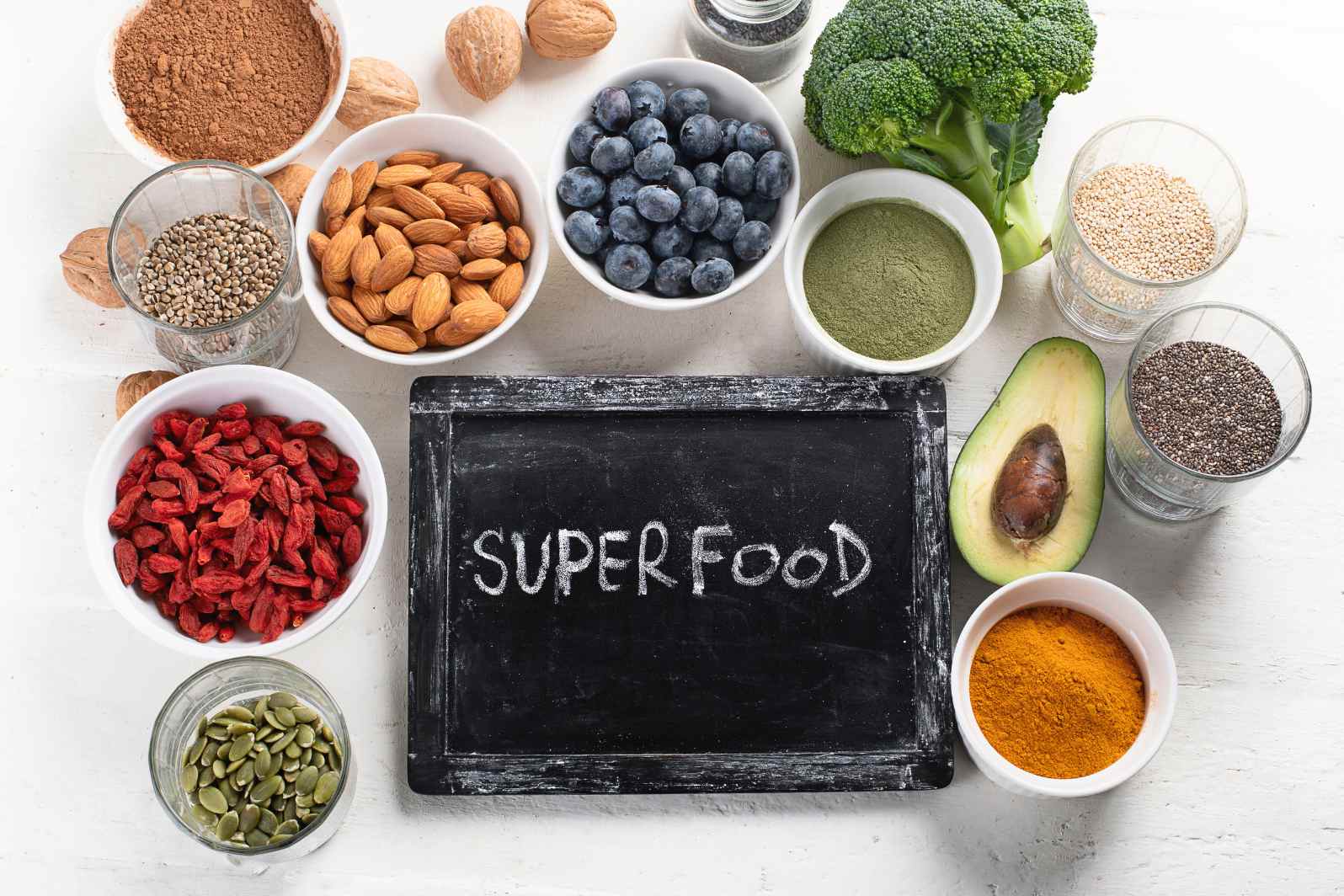
The last several years have seen the rise of a buzzworthy new buzzword: superfood. From acai berries to chia seeds, these foods are routinely advertised as “superfoods” that can prevent disease, enhance immunity and even prolong life. But what does science have to say about superfoods? Are they as effective as the press would have us believe or mostly fancy marketing? Knowing what superfoods are –and aren’t– can help lead people to smarter, more science-supported dietary choices that actually improve their health.
1. What Are Superfoods?
Superfoods are foods that are considered to provide twice or more of the recommended daily value (DV) for various nutrients and even contain substances like antioxidants that may help prevent disease. They are frequently loaded with vitamins, minerals, antioxidants and other compounds that promote health.
Example: Some of the superfoods are blueberries, kale, quinoa, green tea and salmon.
The bottom line: Superfoods are nutritious, but not magic bullets to health—or a quick fix for poor eating habits.
2. The Science Behind the Hype
The vast majority of superfoods don’t even have anything to do with weight loss or a flat stomach — most get their spotlight status simply because they contain compounds that are associated with better health (e.g. antioxidants, omega-3s). But the consequences are hyperbolic, if not misunderstood.
Example: Blueberries contain antioxidants that may reduce oxidative stress, but eating them by themselves won’t prevent chronic disease.
The bottom line: The science is clear that nutrient-rich foods have health benefits, but there’s no “magic” ingredient.
3. Antioxidants: The Real Story
Antioxidants aid in neutralizing free radicals, which can harm cells and contribute to aging and disease. But eating them in excess, or in supplement form, isn’t always associated with better health.
Example: Research indicates that eating antioxidant-rich foods such as fruits and vegetables is good for you, but those high-dose antioxidant pills may do little or no good.
The bottom line: Whole foods are the best, and safest, bets for antioxidants.
4. Marketing vs. Nutrition Reality
The moniker “superfood” is one employed in marketing rather than by scientists. A lot of what we advertise as “super foods” aren’t any healthier than regular fruit and vegetables.
How to Incorporate Superfoods the Right Way
Acai berries are healthy, yes, but so are apples and oranges — often with similar nutrients at a lower cost.
The takeaway: The superfood designation is less a reflection of any real scientific superiority and more about marketing.
5. The Power of Variety
Good health doesn’t derive from just one food but from an array of foods that can offer a mix of nutrients. Eating a variety of foods helps you obtain all the essential vitamins, minerals and fiber.
Example: Spinach + lentils + nuts and seeds + whole grains = a beautiful nutrient profile without having to zero in on one ingredient.
The bottom line: Diversity is stronger than any individual superfood.
6. Superfoods for Heart Health
A few superfoods actually do help with heart health because of their nutrients—like fiber, omega-3 fatty acids and antioxidants.
Salmon, walnuts, flaxseeds and oats can lower bad cholesterol and help heart health.
The bottom line: Superfoods are most helpful as part of a heart-healthy lifestyle.
7. Brain-Boosting Benefits
Some superfoods have nutrients that support brain health and cognitive function.
Example: Spinach also berries and fatty fish help memory and focus.
The bottom line: A healthy diet will help maintain your brain function and reduce the risk of cognitive decline.
8 . Immunity and Superfoods
Superfoods work on your immunity if taken regularly along with a sensible diet.
Example: Citrus, turmeric and yogurt are good for the immune system because they contain vitamin C, probiotics and anti-inflammatory benefits.
The bottom line: Being healthy all year long means eating nutrient-dense foods on the regular.
9. Weight Management and Superfoods
No one food can cause weight loss, but some nutrient-dense foods aid with appetite control and metabolism.
Example: Chia seeds and quinoa are full of fiber and protein that makes you feel fuller (so you snack less).
Bottom line: Superfoods aid weight control when combined with exercise and a calorie appropriate diet.
10. Misconceptions About Exotic Superfoods
Exotic superfoods sometimes attract more attention than local food, even if local food and food from far away can be just as nutrient-dense.
For instance: Indian gooseberry (amla) and moringa are as loaded with antioxidants as trendy acai berries or matcha from Japan.
The takeaway: Local superfoods are just as good for you and your wallet as trendy, distant ones.
11. Whole Foods vs Supplements
A lot of people attempt to substitute food at a molecular level with powders and pills, but whole foods bring additional nutrients that supplements will never replicate.
Illustration: Drinking green tea gives you antioxidants and hydration, but popping a capsule of “green tea extract” may not have the same overall healthful effect.
The lesson: Nutrients are most effective when we get them from whole foods and not fortified ones.
12. Sustainable Eating and Superfoods
There may also be environmental downsides to imported superfoods because of their long-distance shipping and overproduction. Opting for local, seasonal substitutes is not only good for the planet — and your budget.
Example: Instead of quinoa from South America, use millets or lentils available locally with near same nutritional benefits.
The takeaway: Eating sustainably is good for your health and the environment.
13. How to Incorporate Superfoods the Right Way
The secret to superfoods is less about using them as miracle cures and more about incorporating them into your daily diet.
Example: Throw chia seeds into a smoothie, place berries on top of your morning bowl or mix lentils with vegetables for proper nutrition.
The takeaway: Adherence beats novelty.
Conclusion
Superfoods are certainly healthful, but they are not the magic bullets to fight off disease. ‘A healthy lifestyle, not a diet’ “Healthy is an outfit that looks different on everybody, and really no one has it all figured out.” Kristina Thiessen True wellness is achieved through balanced eating + regular exercise + lifestyle habits. Rather than following fads, aim for variety, moderation and eating fresh whole foods that truly feed the body and soul. Knowing what to eat and what to avoid can assist you in making smart — and enduring — food choices that contribute to overall health.
FAQs:
Q1. What are the best superfoods to eat daily?
Some are supported by evidence, though most of the benefits come from overall dietary patterns rather than individual foods.
Q2. Can superfoods prevent diseases?
When paired with good lifestyle, they can reduce the risk of chronic disease ut aren’t cures.
Q3. Are local foods as healthy as imported superfoods?
Yes, local foodstuffs are often just as or more nutritious minus the high price.
Q4. Should I take superfood supplements?
Whole foods are better because they include the natural nutrients, fibre and antioxidants that supplements do not.
Q5. Which are the all time super foods, to eat every day?
Berries, leafy greens, nuts, seeds, yogurt, and whole grains are excellent everyday superfoods.
