

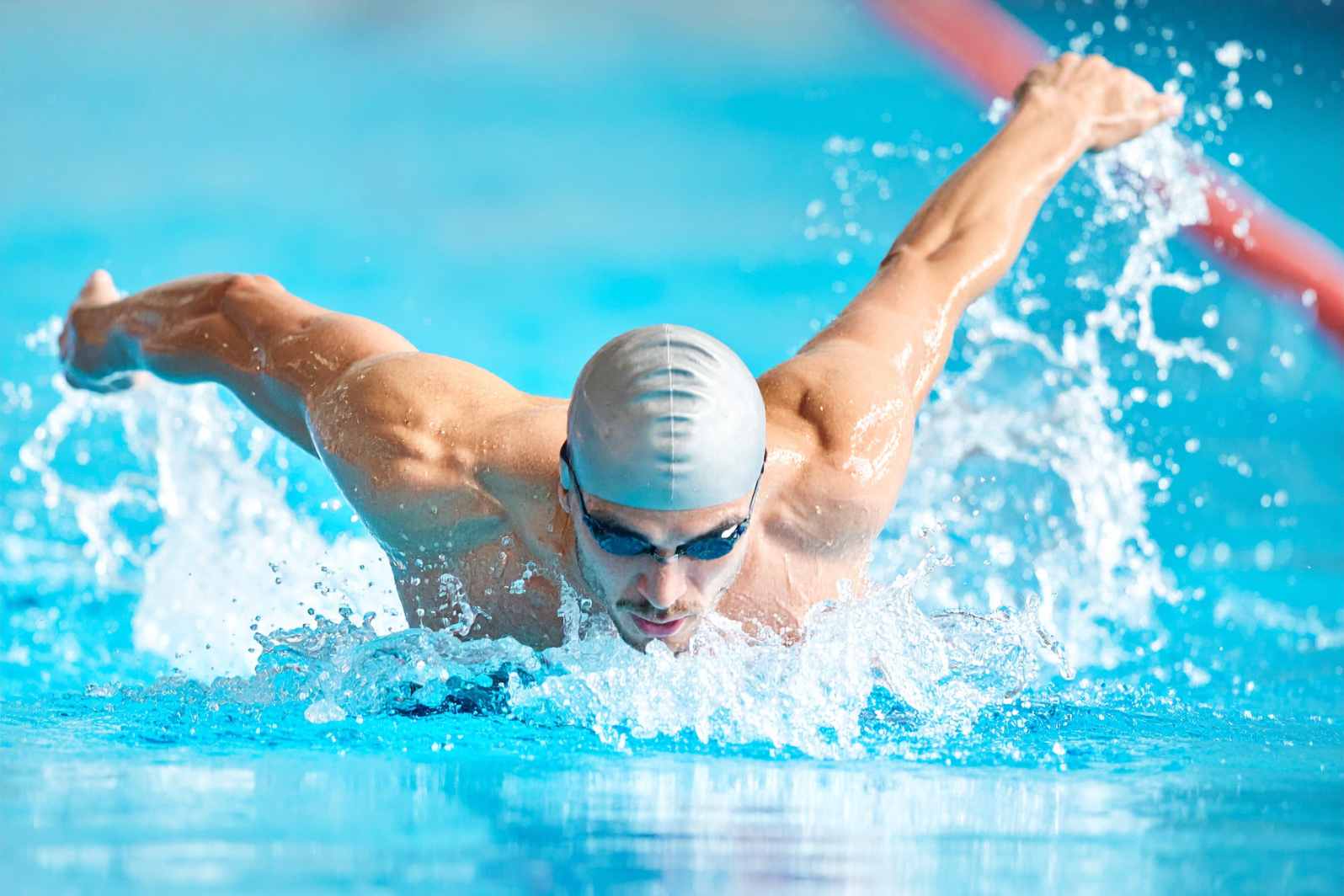
For athletes, it is not just a question of the physical ability but also mental power that would lead to success. Performance anxiety, like many decent competitors have experienced, can cloud your focus, confidence, and results. Whether it’s a tennis player readying for match point or a sprinter standing by for the starting gun, pressure to perform can be crushing. The silver lining is that athletes have the capability to learn how to handle anxiety through established psychological methods, including mind-set training and emotional regulation. The mental side of sports is the key to unlocking consistent peak performance.
1. Understanding Performance Anxiety
Pre-competition stress is the nervousness or fear commonly experienced by athletes before and when they compete. It can trigger symptoms — such as a racing heart, tight muscles and overthinking — that pull focus.
Example: A basketball player fails to make simple shots under game-day pressure because they are overthinking their movements, rather than believing in the practice.
The takeaway: Acknowledge anxiety for what it really is — a natural response — and you can start figuring out how to control it.
2. The Role of the Mind in Athletic Performance
The physical runs parallel to the mental. If athletes focus too much on the outcome and not the process, anxiety is heightened and performance is compromised.
Example: Golfers who focus on preventing errant shots, rather than perfecting their swings do worse under pressure.
The lesson: Great athletes are different from good ones mentally.
3. Identifying Triggers of Anxiety
Each athlete has their own set of triggers, whether it’s fear of failure, pressure from crowds or mistakes made in the past. Recognizing these can help athletes to appropriately manage their emotional responses.
Example: If a swimmer once false-started, they might need to overcome a habitual race-day anxiety before every upcoming event unless they address this problem specifically.
The message: Knowing your triggers can empower you to prepare mentally before you compete.
4. The Power of Visualization
Visualization is the mental simulation of successful performance and most athletes use this. It serves to boost your confidence and reinforce neural pathways related to successful experiences.
Takeaway: Record the video in your head and you will be able to react tenderly while under stress. Example: Olympic skiers frequently imagine their entire run before they even start, then execute it fluidly when the time comes for them to hit the mountain (or whatever).
The lesson is: The mind-enfactment of success readies the body to perform on stage.
5. Controlled Breathing and Relaxation Techniques
Breathing exercises lower stress hormones and assist athletes in regenerating confidence under pressure. As deep if rhythmic breathing regains focus and slows heart rate.
Example: A breath between serves to settle the nerves and maintain rhythm for a tennis player.
The message: Minor tricks with your breathing can reset not only the body, but your mind during competition.
6. Positive Self-Talk and Affirmations
Internal self talk from an athlete impact confidence and mindset. Focus on positive self-talk for replacing fear-induced thoughts with empowering thoughts.
For example, repeating affirmations such as “I am calm and focused” is helpful in opposing self-doubt before a big moment.
The takeaway: The appropriate inner voice can shift anxiety into motivation.
7. Building Confidence Through Preparation
“The more you train and the better prepared you are, that’s where confidence comes from. You diminish all kinds of doubt and fear when you know you’ve put in the work.
Example: A football kicker that practices hundreds of kicks under simulated pressure… feels more confident in game.
The lesson: There is nothing more powerful in the fight against performance anxiety than preparation.
8. The Role of Mindfulness in Sports
Mindfulness skills train athletes to be present with whatever is happening, instead of entertaining thoughts or concerns about the past and future. It increases focus and mental clarity.
Example: Professional basketball squads employ mindfulness meditation to make better decisions when playing under pressure.
The lesson: You perform and have more fun when you stay rooted in the moment.
9. Channeling Adrenaline Positively
A small amount of stress can even improve performance by boosting focus and energy. The trick, though, is to learn how to redirect it skillfully and productively rather than letting it overpower.
Example: Sprinters may turn the pre-race adrenaline into rocket fuel to launch out of the starting blocks.
The lesson: Energy under control enhances performance rather than undermines it.
10. Seeking Support from Sports Psychologists
Sports psychologists help athletes develop personalized strategies to overcome anxiety, improve concentration, and build mental resilience.
Example: Many Olympic teams include mental coaches to help athletes manage pressure and maintain emotional balance.
The takeaway: Professional guidance can turn mental challenges into strengths.
11. Creating a Mental Routine
What athletes do when they warm up their bodies, they can also do with their brains: Create mental routines before competition that are practiced over and over again.
For example, the listening to music, visualizing their success and telling themselves positive affirmations can help athletes center themselves before they run.
The lesson: Routines for our minds bring consistency where there’s unpredictability.
Conclusion
Performance anxiety is ubiquitous among athletes, at all levels, but can be controlled and lifted to an advantage. Through the use of visualization, mindfulness and positive self-talk mixed in with consistent preparation, athletes can develop mental toughness that not only matches their physical talents. Moving past fear is not about eliminating it but learning to do anyway, while anxious. When athletes know what to do and how to think and even more importantly, when they make the choice to show up and give it their best shot they can embrace competition as a place where they thrive rather than just survive.
FAQs:
Q1. Why are athletes performance anxious?
It’s often linked to a fear of failure, high self expectations or past negative experiences.
Q2. Can anxiety improve athletic performance?
In small doses, yes – regulated adrenaline increases concentration and response time.
Q3. How do athletes ease their nerves before a competition?
With deep breathing, visualization, positive self-talk and mindfulness work.
Q4. Does sports psychology work for anxiety?
Yes, it promotes athletes’ building coping strategies, confidence and a hard wiring of mental resilience.
Q5. What is the best way to deal with performance anxiety long term?
Regular psychological conditioning and preparation set alongside physical conditioning
