

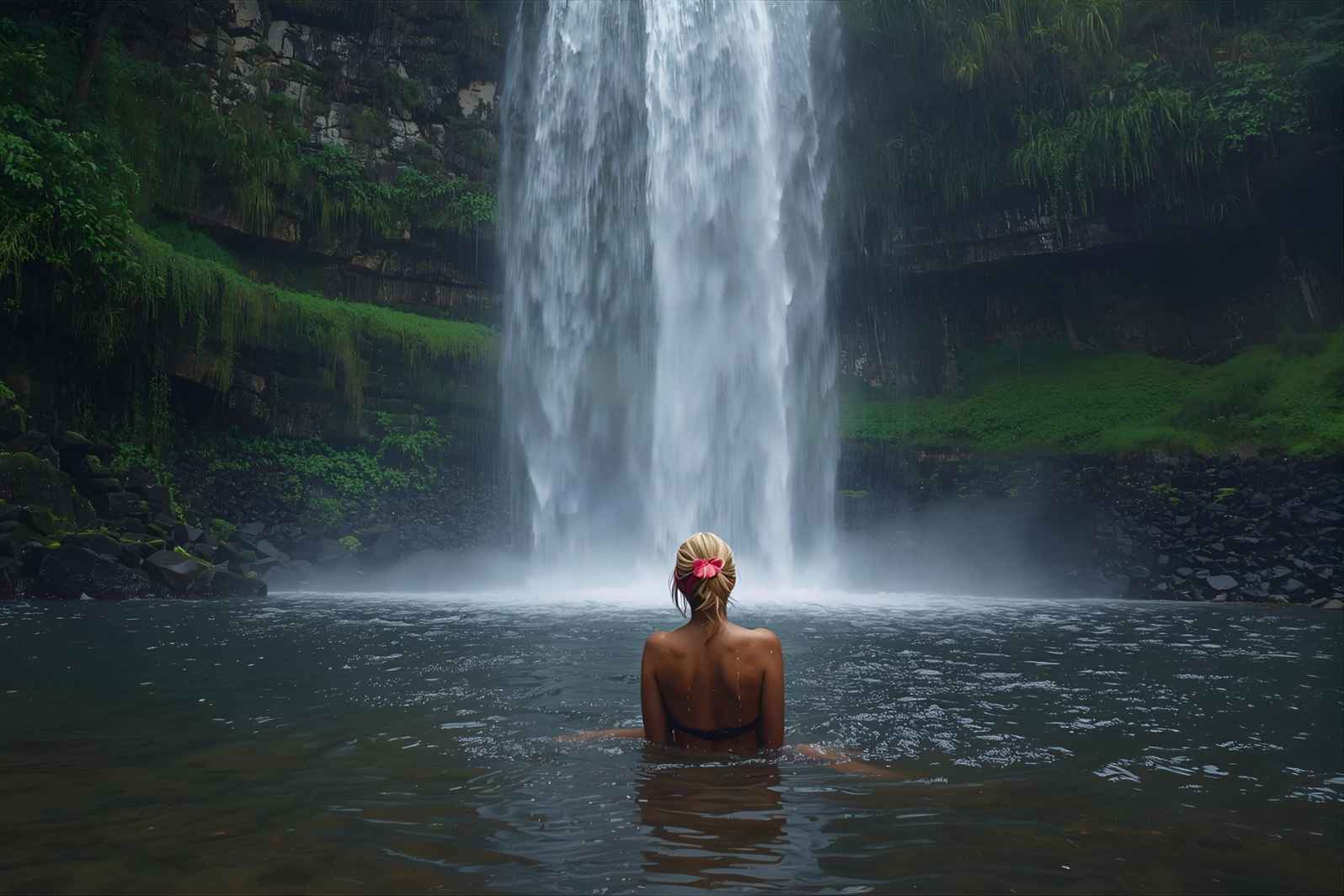
It’s not hard to get detached from nature in our high-speed, technologically driven world. Forest Bathing, called Shinrin-yoku in Japan, is a meditative yet simple practice of bathing in the forest atmosphere to restore balance and calm. The point isn’t exercise or hiking as much as to slow down, notice nature and reconnect with the senses. Research has found that deliberate time spent in nature can decrease stress, increase focus and improve mental well-being overall, so forest bathing is a potent kind of natural treatment.
1. What Is Forest Bathing?
Forest bathing, which began in Japan in the 1980s as a national health program to help reduce stress and exhaustion, is his way of doing that. It mainly consists of doing nothing more than entering the woods, maybe moving sloth-like for a bit, breathing deeply, opening your senses fully and letting them roam free while you shake off any distraction.
Example: Instead of getting from point A to B, participants learn how to listen to rustling leaves, smell the air and feel the ground under their feet.
The takeaway: Forest bathing cultivates presence and attention through nature.
2. The Nature and the Mind Behind It
Studies suggest that spending time in green environments reduces cortisol levels, heart rate and blood pressure. Exposure to nature induces relaxation responses in the brian, which promotes mood and attention.
Example: Researchers at Chiba University in Japan found that forest environments lower stress hormones compared with urban environments.
The bottom line: Emotional balance and mental clarity are scientifically based attributes of nature.
3. Reducing Stress and Anxiety
Being surrounded by trees and fresh air is grounding, which can help to soothe the mind and relieve anxiety. Coordination of movement, respiration and perception leads to a calming of the nervous system.
Example: A mere 30-minute walk in a forested area can dramatically decrease feelings of tension and overwhelm.
The takeaway: There is a natural way to calm you from within.
4. Boosting Mood and Happiness
The brain chemicals serotonin and dopamine that affect happiness and well-being are elevated when one takes time in nature.
Example: Those who practice forest bathing regularly say they feel more optimistic and emotionally refreshed.
The bottom line: Nature boosts mood and promotes emotional resilience.
5. Enhancing Focus and Creativity
Nature is an antidote to the mental fatigue imposed by much of modern life, particularly the time spent in front of a small screen. When you have vegetation around, your attention span gets better and creative thinking will flow more easily.
Example: Many artists and writers go on walks in nature to overcome creative blocks, or for inspiration.
The lesson: Spending time in nature helps return focus and engender imagination.
6. Strengthening Mind-Body Connection
Forest bathing fosters an awareness of the body and breath, encouraging people to reestablish natural rhythm. This mindfulness exercise benefits your mind and body.
For example, taking deep breaths while gazing at the forest’s sights and sounds is known to decrease heart rate and produce a feeling of calm.
The lesson: Nature pushes you toward body-mind balance.
7. Improving Sleep Quality
Environments in the wild help to regulate circadian rhythms and support restorative sleep. Professional Connects to nature Exposure to natural light and fresh air resets the body’s internal clock.
For instance: Daytime sunlight exposure has been associated with deeper, more refreshing sleep.
The takeaway: Time spent in the forest during the day leads to better sleep at night.
8. Building Emotional Resilience
Forest bathing nurtures emotional strength through feeling connected to nature. It is a comforting and even inspiring connection to make in difficult times.
Example: Silent reflection under a tree can ease racing thoughts and alleviate emotional distress.
The takeaway: Nature’s calm has emotional lessons of balance and patience to teach us.
9. Encouraging Social and Community Bonds
For group forest bathing sessions, there’s nice conversation and shared time. Tapping into others under peaceful conditions leads to empathy and belonging.
Example: Naturalist walks are usually punctuated with periods of silence, then group discussion.
The takeaway: Shared nature becomes a social lubricant and emotional adhesive.
10. Incorporating Forest Bathing Into Your Routine
Nor do you need to live in a vast forest to receive the benefits. Parks, gardens and tree-filled walks will give you similar benefits if visited mindfully for a while with some frequency.
Example: A brisk walk in the nearest bit of green space on lunch breaks can refresh your mind and refocus.
The takeaway: Consistency is key a little bit of nature every day will go a long way.
Conclusion
Forest bathing is not just a walk in the woods; it’s an easy, mindful way to connect with nature and restore peace of mind. It can calm you, de-stress you, help you focus and feel present if you simply slow down, look around and take a nice deep breath. Whether you live near a quiet park or a remote forest, time out in nature is good for mental wellness and to remember the peace and beauty that lay beyond our screens and routines.
FAQs:
Q1. What are the benefits of forest bathing?
To unwind, de-stress and reconnect with oneself through nature immersion.
Q2. Now, do I just have to immerse myself in those woods to engage in Shinrin-yoku?
No, there is any green or natural space such as a park or garden can give you the same advantage.
Q3. How long should I go forest bathing for?
Twenty to 30 minutes a few times per week is also enough to improve mood and attention.
Q4. Can forest bathing replace therapy?
It is not a substitute for medical treatment but can support mental health programs.
Q5. Does forest bathing involve walking/hiking?
Not at all, hiking is about exertion; forest bathing on the other hand is about mindfulness and sensory skills.
