

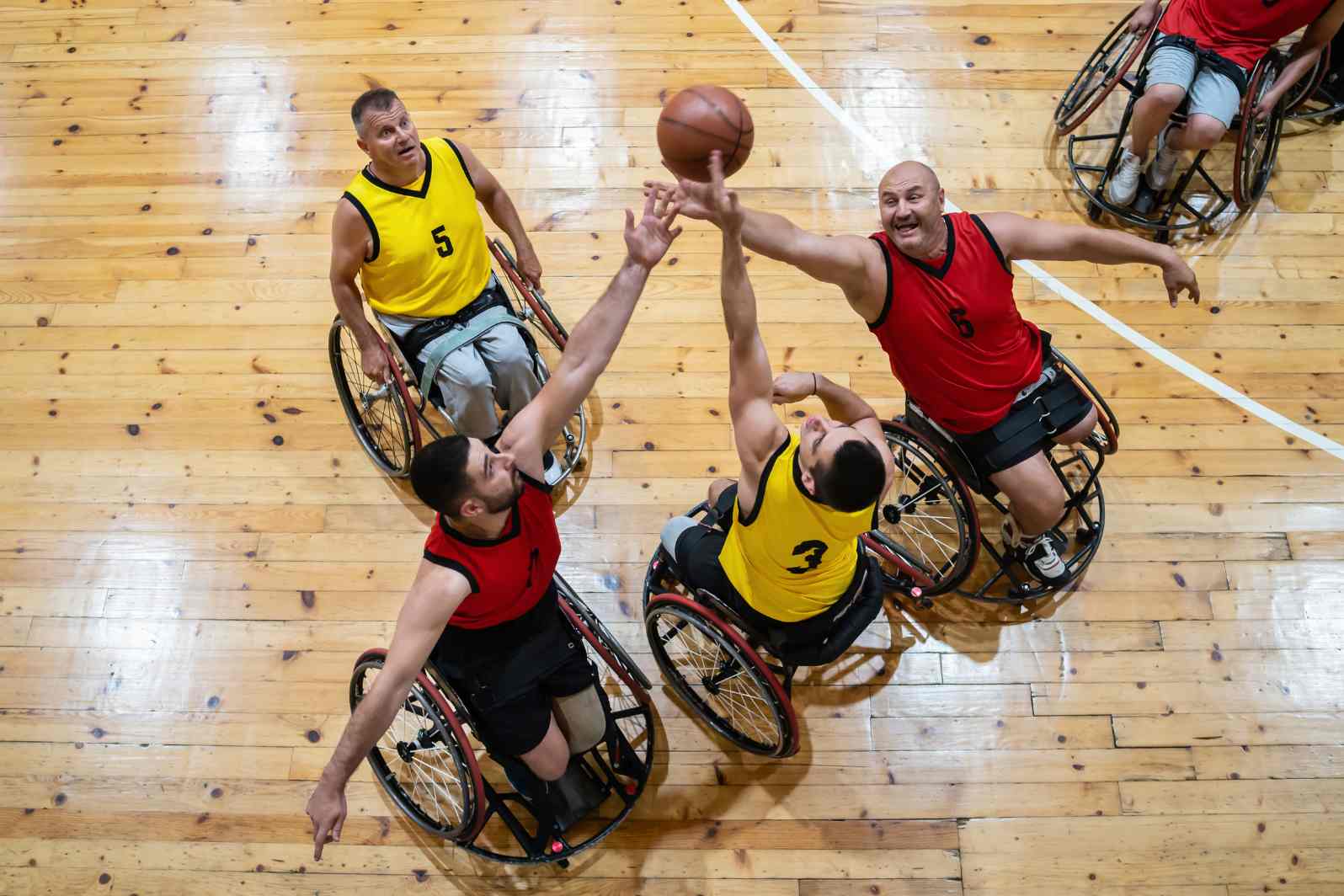
Adaptive sports are revolutionizing the field of sports by opening physical activity and competition to all ranges of ability. Sports once neglected are now symbols of empowerment, equality and human resiliency. From the Paralympics to community programs, adaptive sports demonstrate how innovation and inclusion can overcome stigmas. As the world grows more conscious about diversity and inclusivity, competitions like those are redefining who is an athlete.
1. Understanding Adaptive Sports
Adaptive sports are altered forms of traditional sports that are adjusted to allow individuals with disabilities, whether physical, sensory, or intellectual, to participate in a particular version of the sport. They have special rules and equipment to make sure that everyone can play, and it is fair.
Example: Wheelchair basketball and blind soccer modify traditional formats to suit a variety of needs.
The takeaway: What’s paramount in adaptive sports is ability, not disability; the focus here is on skill and grit.
2. Paralympic movement developments
The Paralympic Games have now become the biggest international sports event for athletes with impairments celebrating excellence and inclusivity.
Example: The 2020 Paralympics in Tokyo included more than 4,000 athletes from over 160 countries.
The upshot: The Paralympics are inspiring millions and breaking stereotypes around the globe.
3. Technological Innovations in Adaptive Sports
Technology has been central in creating better access and leg-ups for adaptive atheltes.
Examples: Athletes silly with joy before sprints on their springy bionic legs; reinvented versions of products such as racing wheelchairs, prosthetics and adaptive bikes have overhauled the competition and just how mobile each athlete can be.
The takeaway: High-tech tools allow athletes to push the envelope and play at a higher level.
4. Inclusive Community Sports Programs
Through local and community-based activities where everyone has the opportunity to participate, inclusion is fostered.
Example: The Special Olympics unify athletes with and without disabilities on the same teams in its sports programs.
The takeaway: The best programs unite communities in empathy, partnership and shared experience.
5. Education and awareness
Adaptive sports are made participatory for everyone as public understanding grows and as stigmas diminish throughout society.
For example: Schools that have adapted phys ed classes introduce students to the concept of inclusivity at a young age.
The bottom line: Awareness leads to respect, equality and greater participation in sports.
6. Breaking Down Barriers Through Representation
Representation matters because when adaptive athletes tell their stories, they inspire others and change what is possible.
Example: Athletes such as Tatyana McFadden and Deepa Malik are now icons around the world for overcoming long odds to achieve greatness.
The lesson: By seeing representation, new generations can pursue sports without constraints.
7. Economic and Social Benefits of Inclusion
In addition, inclusive sports create jobs and tourism opportunities as well as being valuable for overall community engagement and promoting mental and physical health.
Example: The network effect of hosting adaptive sports events generates sponsorships, volunteers and global interest.
The lesson: There is social and economic advancement to be made from inclusion in sports.
8. The Importance of Accessibility in Infrastructure
The availability of accessible facilities makes a big difference in everyone’s ability to train and compete effectively.
Test: Venues and gyms featuring ramps, braille signage or assistive technology are pushing true inclusion.
The meaning: Inclusive infrastructure is a fairness issue for all athletes.
9. Media Coverage and Global Recognition
Adaptive sports have gotten a boost from wider media exposure.
Example: Paralympic events are now being aired by major networks, featuring amazing athletic accomplishments.
The lesson: The media raises awareness and provokes social change.
10. Collaboration Between Organizations and Governments
Governments, nonprofit organizations and sports federations are pooling resources to fund and popularize programs for the disabled.
Example: Alliances between the International Paralympic Committee and local authorities have grown participation worldwide.
The takeaway: It is through working together that inclusion can be cemented in the fabric of global sports culture.
11. The Future of Inclusive Competition
The solution for the future of sports is inclusion, where capability and desire determine success, not physical necessity.
Example: The next wave of adaptive esports and hybrid events are combining tech with inclusion.
Takeaway: As innovation continues to flourish, adaptive sports will keep on leading the charge toward a world where sport is fully inclusive.
Conclusion
The growth of adaptive sports is one of the most compelling manifestations of change toward equality, innovation and human resilience. Through a mix of technology, community support and consciousness-raising, these sports are opening new possibilities for athletes at all skill levels. They serve as white paper to the world of sport that greatness is not contained by ability but fueled by passion and perseverance. As universal competition matures, sports will no longer represent just physical prowess but also the eternal human spirit.
FAQs:
Q1. What are adaptive sports?
These are adapted equivalent forms of the sports played by non-disabled participants.
Q2. How can adaptive sports enable inclusion?
They unite athletes, of all capabilities, tearing down barriers social and physical.
Q3. Some of the adaptive sports include:
Wheelchair basketball, sitting volleyball, adaptive cycling and blind soccer are well known examples.
Q4. How does technology assist adaptive athletes?
Advancements such as prosthetics, advanced wheelchairs and adaptive equipment improve mobility and performance.
Q5. What’s the future of sports for everyone?
As awareness and creativity grows, so will inclusive sport, both locally and internationally.
