

The modern age of work is changing more quickly than ever. From AI and robotics to machine learning and predictive analytics, emerging technologies are changing the way we do things, organize jobs, run businesses. And while we worry about jobs being lost due to automation, it also opens new pathways for innovation, productivity and interpretations of what a job even is. It is crucial for employees and organization getting ready for the new world of work to grasp this transition.
1. Understanding Automation and Its Impact
Automation is when technology completes a process with little to no human assistance. It is convenient for the efficiency and it incur less errors and avoid redundancy.
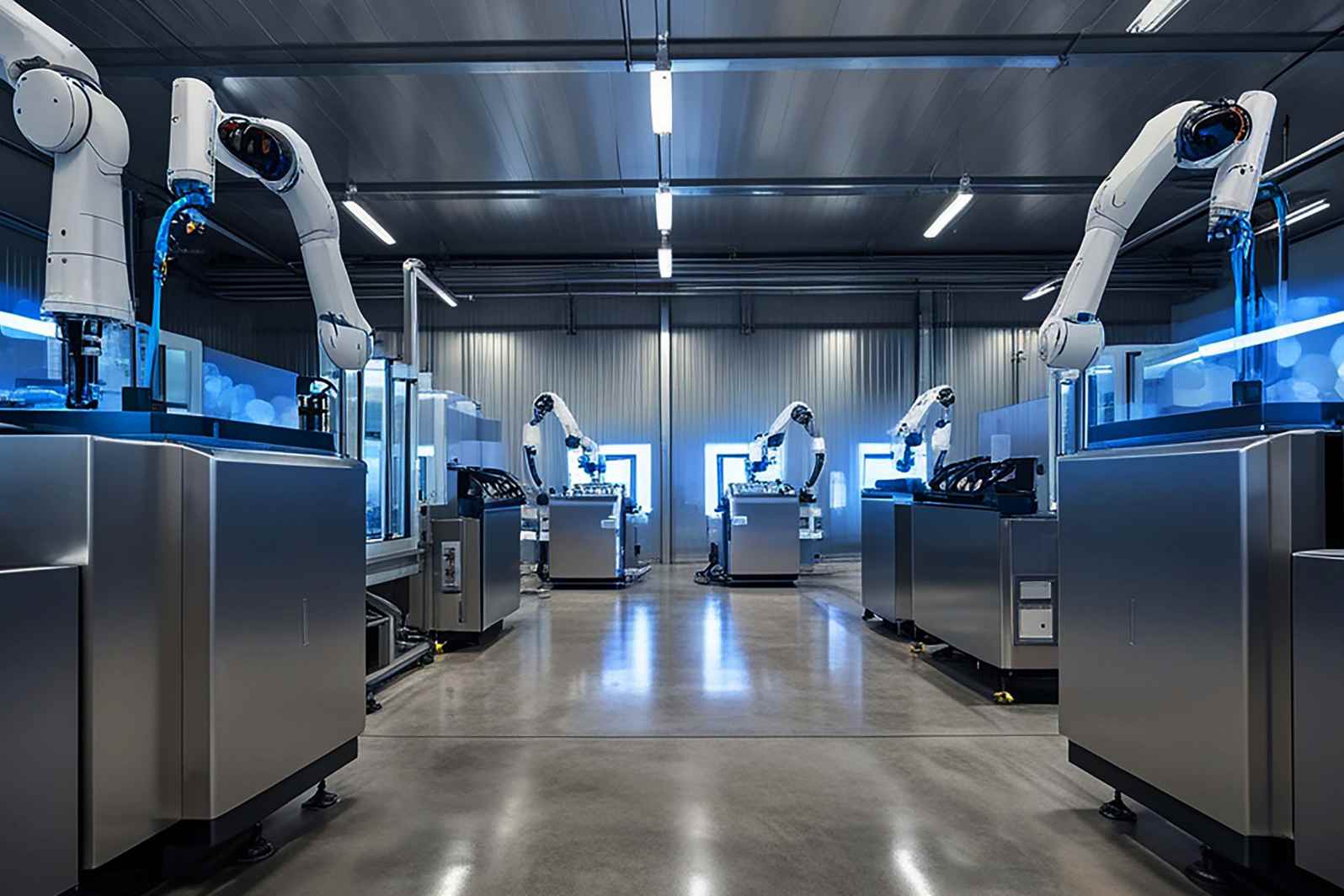
Example: In factories, robotic arms are now part of the production lines assembling products more quickly than they can be assembled by humans.
The takeaway: Automation doesn’t just make humans more productive – it transforms the very nature of human work.
2. The Rise of Artificial Intelligence in the Workplace
AI can analyze data, make things happen, even learn. They’re revolutionizing sectors as varied as health care, finance and wholesale trade.
Example: AI chatbots address customer service requests around the clock, cutting reaction times and freeing workloads.
The upshot: Artificial intelligence is increasingly making automation of both routine and cognitive tasks in various industries look easy.
3. New Roles Emerging from Automation
As machines take over routine work, brand new human roles are likely in the fields of technology development, maintenance and creative problem-solving.
Example: Jobs like A.I. trainers, robotics technicians, data ethicists are growing in value.
The takeaway: Automation eliminates some jobs, but creates new opportunities – that involve advanced skills.
4. Relevance of Reskilling and Upskilling
For workers to remain relevant, they need to augment their skills with technology.
Example: Professions from data analytics to programming to digital project management that prepare workers for automation.
The takeaway: There is no longer any choice when it comes to lifelong learning.
5. Human and Machine Collaboration
The future of work will be about humans and machines working together: human creativity supported by machine accuracy.
Example: Artificial intelligence helps doctors interpret scans in health care, but people still make final decisions about treatment.
The lesson: The best results emerge from combining human intelligence and machine power.
6. Remote Work and Digital Transformation
AI is the biggest proponent of remote working since it not only supports digital workflows, such as virtual communication and intelligent collaboration tools but also offers more productivity apps.
Sample: Cloud-based systems automate tracking letting teams effectively work from anywhere.
The upshot: Automation accelerates a global trend toward flexible, digital work environments.
7. Productivity and Efficiency Gains
Automated systems handle such repetitive work far more quickly, allowing humans to focus on new ideas and strategy.
Example: Financial analysisAccounting software enables a data entry to be automated which leads an accountant to do financial analysis as well.
The lesson: Automation converts time-consuming work from one requiring busy-abee to an exercise in higher-order thinking.
8. Ethical Considerations and Workforce Balance
With automation on the rise, companies need to contemplate ethical issues such as jobs displacement, bias in artificial intelligence and worker well-being.
Example: Businesses are working to establish ethical guidelines for how automation technologies should be employed.
Takeaways: Ethical automation is a balance of progress and human welfare.
9. The Gig Economy and Tools for Automating Freelancing
Automation has also driven the rise of freelance platforms and gig-driven work facilitated by digital tools.
Example: Freelancers save time on projects by leveraging A.I.-enabled tools for design, writing and marketing.
The lesson: Automation gives independent professionals the power of efficiency and flexibility.
10. The Future Workplace Structure
The future of workplaces will see hybrid teams where automations manage the operations and people do more empathetic or strategic jobs.
Example: Robots handle inventory in retail while humans focus on personalized customer experiences.
The lesson: Future workplaces will combine human creativity and automated precision.
11. Preparing for the Automated Economy
Governments, educators and employers need to work together to prepare workers for automation-led economies through training and innovation.
Example: Nations that invest in digital education, and create AI-literate workforces are creating future-ready workforces.
The takeaway: Getting automation right fosters inclusion, growth and resilience in the world’s workforce.
Conclusion
The era of automation is transforming how we work, learn and create. Even as technology automation is replacing people in routine jobs, it’s also freeing up time and energy to engage our most innovative, empathetic and leadership-driven human resources. The secret to success in this new age is agility, lifelong learning – and collaborative work between man and machine. The future of work is not one in which artificial intelligence and automation occupy the upper echelons while humans toil away at repetitive or dangerous tasks.
FAQs:
Q1. What does the automation of jobs look like in the workplace?
It automates mundane processes, enhances productivity and allows staff to concentrate on more valuable tasks.
Q2. Will automation eliminate jobs completely?
And though certain jobs will vanish, new ones are already emerging that demand digital and creative skills.
Q3. Which Aptitudes Are Most Beneficial in the Age of Automation?
There is great demand for data literacy, AI fluency and problem-solving and emotional intelligence.
Q4. What can employees do to get ready for automation?
By investing in their own education, leveraging technology and staying on top of transferable skills.
Q5. What is the future of work with AI?
Artificial intelligence will help people make more data-driven decisions and increase productivity everywhere.
