

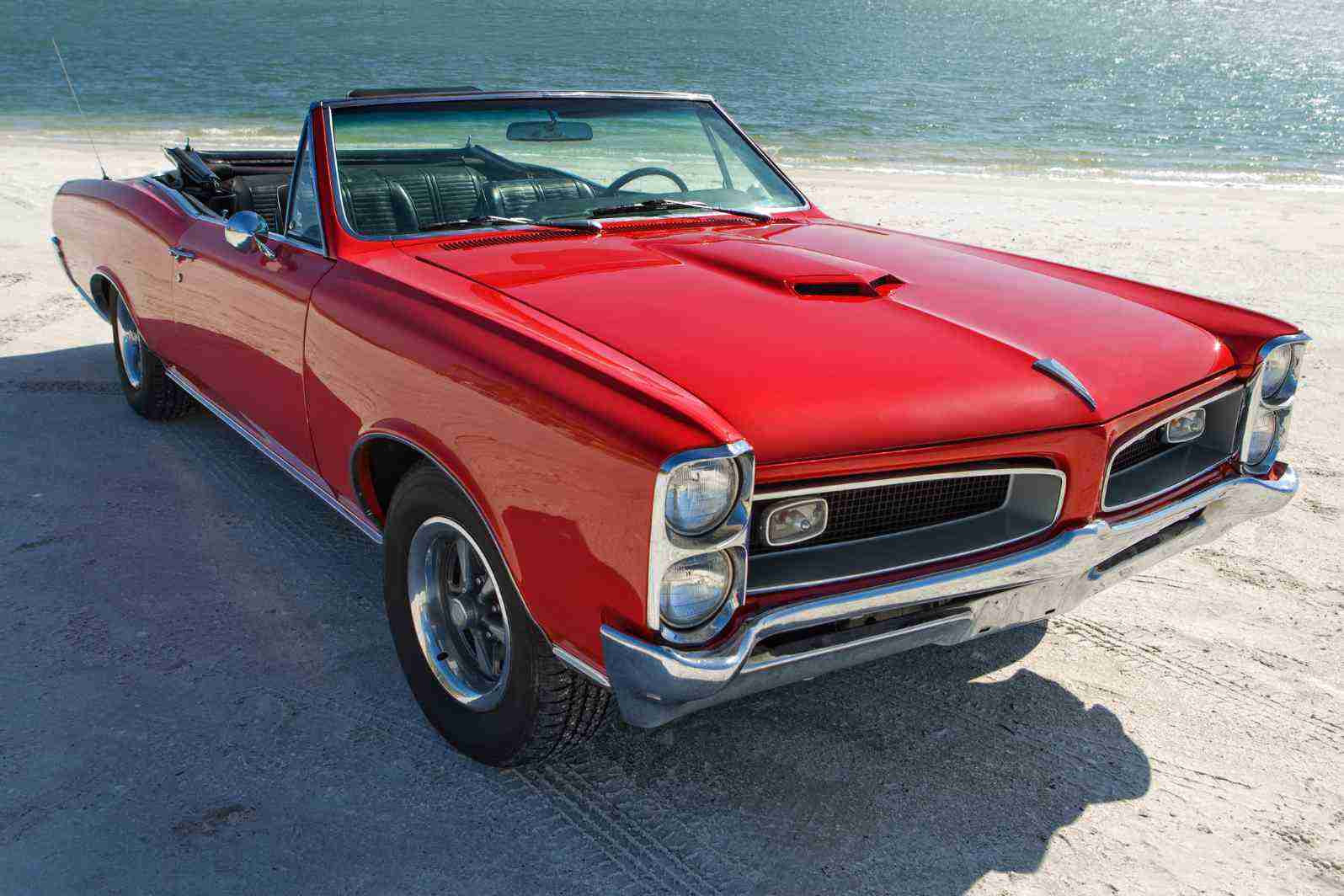
For a lot of enthusiasts, classic cars are more than just rolling pieces of art—they’re chunks of history that mix passion with profit potential. During the past few years, these classic cars have taken their place as a popular alternative investment, with performance that satisfies and value you can hold in your hands. Unlike stocks or bonds, a classic car is a tangible asset that collectors, as well as investors seeking alternative investments, often find appealing. Classic cars across the globe are turning into an emotional treasure and a financial opportunity, given the increasing demand worldwide and a limited supply of such vehicles.
1. Understanding Classic Car Investments
Classic car investing refers to the practice of buying and maintaining old cars in the hope that their value will increase with age.
Example: Iconic models such as the Jaguar E-Type or Porsche 911 from the 1960s can appreciate massively as they become more scarce.
The lesson: Classic cars are a fusion of love for vehicles and potential long-term financial gains.
2. Why Classic Cars Are Becoming More Popular
With investors seeking alternatives to volatile markets, physical assets such as classic cars have been appealing for portfolio diversification.
Example: In a recession, luxury collectibles will probably hold their value better than old staples.
The message: Classic cars offer emotional gratification and fiscal security in uncertain markets.
3. The Importance of Rarity and History
What a classic car is worth can typically depend on how rare it is, its history, and brand heritage.
Example: Limited edition Ferraris or Aston Martins once owned by celebrities can go for millions at auction.
The takeaway: The more unique and iconic the car, the greater its appreciation potential.
4. Classic Cars as an Asset Class
According to historical data, during the last several decades classic cars have produced better returns than various typical asset classes.
For instance, the Knight Frank Luxury Investment Index shows that the average returns on classic cars over ten years are well in excess of 300%.
The takeaway: Vintage cars can provide profitable returns, provided they are chosen and maintained wisely.
5. The Importance of Condition and Authenticity
A car’s originality, mileage and restoration quality are key factors in its market value.
Example: A 1969 Mustang Shelby GT500 in perfect condition with no modifications will probably sell for more than a heavily beat-up and modified one.
The takeaway: Original, well-preserved examples are most valuable, and most appreciated.
6. Maintenance and Storage Costs
Classic car ownership means dealing with costs that never seem to end: upkeep, insurance and a place to store it.
Example: Climate-controlled garages and regular mechanical inspections work to preserve the condition and value of the vehicle.
The upshot: Investors should consider classic cars as a financial asset and a long-term commitment.
7. The Functions of Auctions and Markets
Classic car auctions and online buys help set international prices and demand.
Example: At prestigious auctions, such as RM Sotheby’s and Barrett-Jackson, rare models can sell for record sums.
The takeaway: Market analysts rely on trends in auctions to estimate market sentiment and timing as it pertains to buying or selling.
8. Benefits of Diversification Within An Investment Portfolio
Contrary to a stock, classic cars are tangible, and they provide a hedge against inflation and stock markets fluctuations.
Example: With financial markets in turmoil, iconic models’ value tends not to fluctuate too much and some can even appreciate.
The takeaway: Invest a little, and if it turns out well you can bet on collectibles like classic cars to enhance your diversified investment portfolio.
9. The dangers of investing in classic cars
Investing in classic cars is a game, with prices often determined by trends, collector tastes and the expenses of looking after a car.
Example: A popular model today may become undesirable if you see trends change or restoration costs exceed profits.
The lesson: Do your thorough research, and seek advice from an expert before investing.
10. The World of Digital Investments in Classic Cars
New platforms like Rally Rd. enable investors to buy fractional stakes in classic cars, allowing even the budget constrained to invest.
Example: Companies such as Rally and CarCrowd let people own tiny bits of lucrative vintage cars.
The move: Fractional ownership reduces barriers to entry and diversifies investment options.
11. The Emotional Value of Ownership
More than profits, to many, the appeal is the nostalgia, craftsmanship and even just plain pleasure of owning a piece of automotive history.
Verification: Car collectors frequently attend car shows and rallies and derive enjoyment from their investments.
The lesson: Classic cars are for the head and heart.
Conclusion
Classic cars have gone from collectible culture to investment asset in their own right. Low production, high demand and time-tested desirability make these cars options for status or easy money. But investing in classic cars will only work out if you’re patient, knowledgeable, and diligent. Historically classic cars offer a unique and exciting opportunity to blend interested in history, design and performance all wrapped up together with good financial returns for the long term.
FAQs:
Q1. Do classic cars make a good investment?
Yes, classic cars can appreciate quite a bit when bought selectively and be a good addition to an investment portfolio.
Q2. What makes the value of a classic car?
The market value of a watch is determined by rarity, brand, condition, originality and provenance.
Q3. How much maintenance do classic cars need?
They also need to be maintained, taking oil changes and inspections into account, while being stored in climate-controlled facilities.
Q4. Can novice investors buy classic cars?
Sure, but you should consider starting with research, the counsel of experts and lower-priced models.
Q5. Should you own a whole car, or invest fractions?
Full ownership (control and enjoyment) – Fractional Owner (accessibility and reduced risk).
