

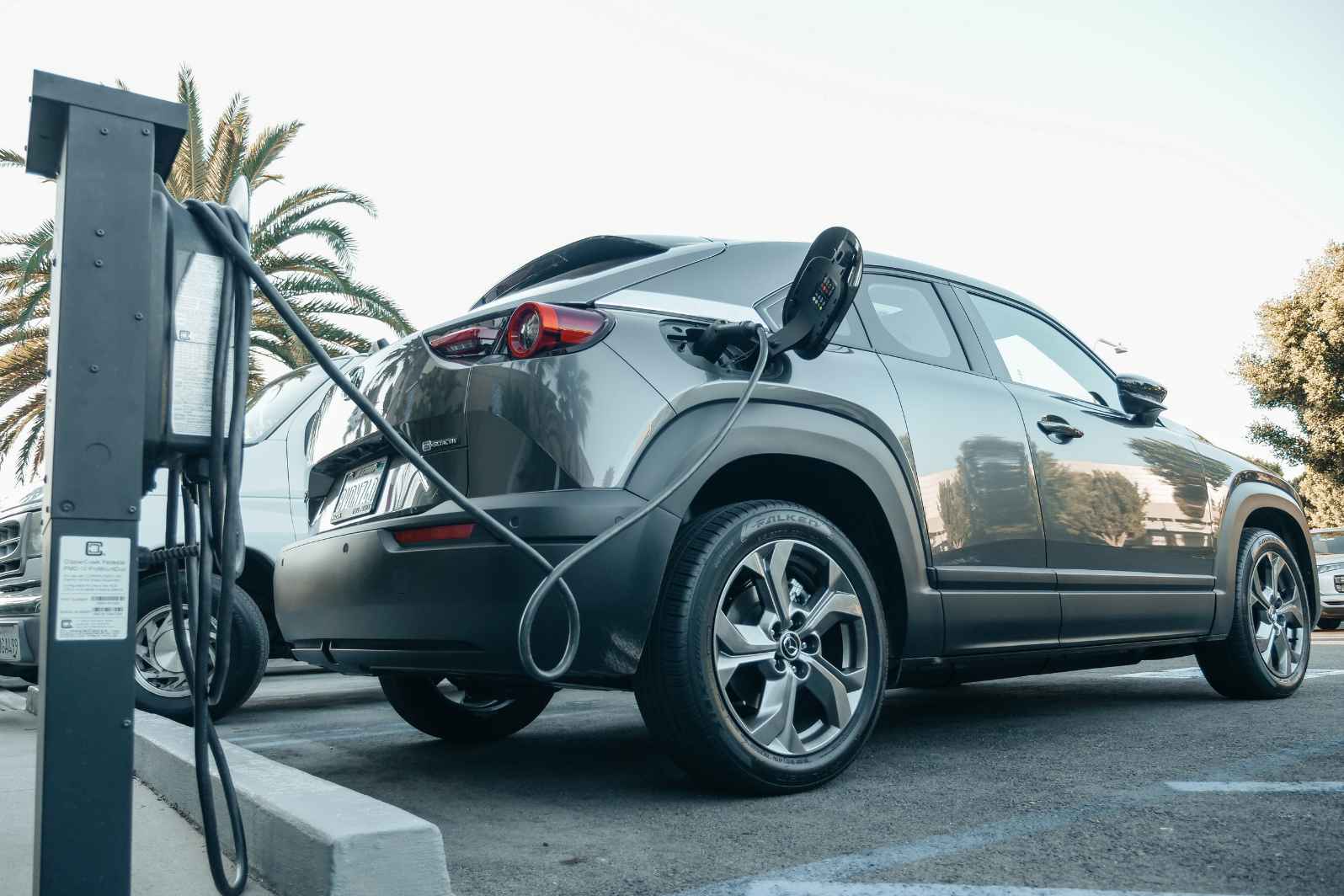
Electric cars is disrupting the way we view vehicles with cleaner energy and simpler yet smarter maintenance. Unlike conventional internal combustion engine (ICE) vehicles, EVs include fewer moving parts, no engine oil and less wear. Owners therefore spend less time at service centers and more time on the road. But the maintenance of an EV comes with its own set of needs when it comes to batteries, software and electrical systems. Knowing these variations is essential to optimize performance, safety and durability.
1. Fewer Moving Parts, Less Wear
EVs have much less moving parts than a conventional vehicle and with it, mechanical failures are fewer too.
Example: An EV usually has 20 moving parts versus more than 2,000 in a gasoline engine.
The takeaway Fewer parts equal fewer break downs and lower maintenance costs in the long run.
2. No Engine Oil, Transmission Fluid Replacements
Tesla’s don’t have combustion engines, so they don’t consume oil or need fluid changes on a regular basis.
Example: No more oil changes every 5,000 kilometers for EVs.
The takeaway: EV owners have one less chore and save both time and money on routine maintenance.
3. Battery Health Is New Priority
The battery pack is the most valuable and crucial part of an electric car. This model to use keeps long time use.
Example: EV manufacturers suggest avoiding temperature extremes and maintaining proper charging practices to care for the battery.
The bottom line: Battery care takes the place of engine maintenance for owners of electric vehicles.
4. Regenerative Braking Extends Brake Life
EVs have regenerative braking systems which converts kinetic into electricity, enabling less wear on the brakes.
Example: Tesla and Nissan Leaf drivers say brake pads last two to three times as long as they do on traditional cars.
The takeaway: By taking some of the load off your brakes, regenerative braking can spare you maintenance costs and boost efficiency.
5. Tire Wear and Rotation Are Still a Thing
Sure, EVs are heavier thanks to those batteries, and with instant torque tire maintenance is just as important.
Example: Rotate your tires every 10,000 kilometers to keep them wearing evenly and gripping the road as best they can.
The bottom line: Tire care ensures safety and performance in electric cars.
6. Battery and Electronic Cooling Systems
Special cooling systems are used in EVs to keep the batteries and power electronics from getting too hot, so they can operate safely.
Example: Cars like the Hyundai Ioniq 5 and Tesla Model Y feature liquid cooling systems that can help keep the car from overheating.
The takeaway: Cooling is essential in maintaining battery health and system reliability.
7. Software Updates Replace Traditional Tune-Ups
Today’s EVs are increasingly dependent on software for performance, diagnostics and safety.
Example: A manufacturer can remotely enhance or fix a bug, add a feature or improve the range through an over-the-air update.
The lesson: Here’s why you don’t need to visit a service center to keep your electric vehicle in good shape.
8. Charging System Checks
With inspection over charging ports, cables and connectors, charging can be efficient and safe.
Example: Corroding trolling chargers or charging system damage may impact power transfer and battery health.
The lesson here: Keeping charging systems up to snuff is important if you want the device to work well and won’t pose a risk.
9. Cabin Air Filter and HVAC Maintenance
Though EVs don’t have conventional engines that need to be taken care of, they do still have heating and cooling systems.
Example: Changing cabin air filters every 15,000 kilometers yields clean air as well as efficient HVAC performance.
The takeaway: Basic maintenance maintains a healthy, comfortable indoor environment.
10. Electrical and Wiring Inspections
Electric cars rely on intricate electrical circuits which require to be in perfect condition for safety and performance reasons.
For example, service centers inspect wiring insulation and connectors to avoid the risk of short-circuits and power loss.
The lesson: Regular inspections maintain electrical integrity and head off more expensive repairs.
11. Warranty and Maintenance Plans
Many EV makers include long battery and drivetrain warranties, which help minimize the cost of ownership.
Example: Battery packs typically come with 8-year or 160,000-kilometer warranties from many brands.
The takeaway: All-inclusive warranties mean that owning an electric vehicle need not be a financially agonizing experience.
Conclusion
Indeed, fixing up an electric vehicle (EV) is both easier and tidier than patching up an internal combustion engine. Owners no longer have to fret about oil changes or engine repairs but must now focus on battery health, software updates and electrical systems. With some care and intelligent charging behaviors, EVs can offer long-term dependable service while becoming a part of the greener future of transportation.
FAQs:
Q1. Is the maintenance of electric cars less than petrol?
Yes, electric cars have far fewer moving parts and don’t require oil changes, so maintenance is much simpler and cheaper.
Q2. How frequently do EV batteries need servicing?
Batteries are inspected in the course of routine service visits but getting into good charging habits is really key.
Q3. Can I do EV maintenance myself?
Simple tasks, such as looking after your tires, are easy to take on yourself, but when it comes to electronics or the battery: leave it.
Q4. How long do EV brakes last?
Regenerative braking cuts brake pad life dramatically, returning up to five times the normal number of kilometers before wearing out.
Q5. What is the most expensive part of an electric vehicle to replace?
The battery pack itself is the priciest part, but most manufacturers cover it for a number of years with its own warranty.
