

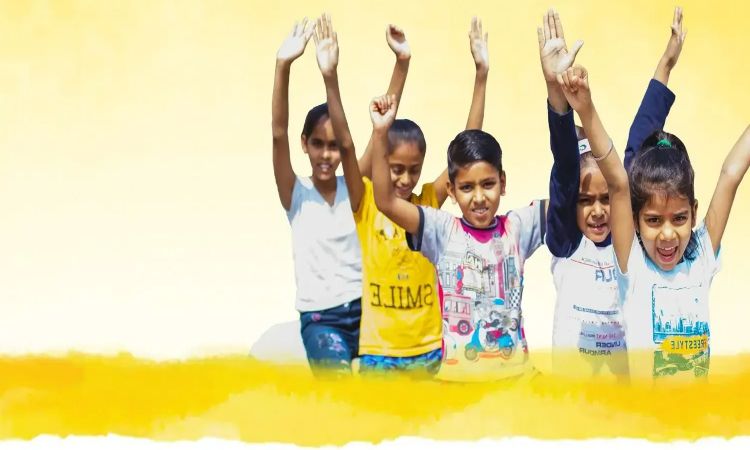
NGOs working for children are changing fast these days, and it’s not just about raising money anymore. The future is about using technology, data, and the local community together, so programs actually work better and last longer. Many organisations still work the old way: a donation comes, a program starts, then it slowly fades, but new methods show that with the right tools, even small charities can make a big difference. Below are some simple ideas and examples of how tech, data, and community can shape the future for children.
Using Technology to Reach More Kids
Technology allows NGOs to reach kids who were previously difficult to reach. Mobile phones, simple apps, WhatsApp groups, and SMS alerts are useful because most parents now have at least a basic phone. Using these tech tools, organisations can send reminders about school, health camps, vaccination drives, or even early warning messages during floods. Online learning has also become possible even in places with limited internet access, thanks to low-data video or recorded lessons that can be shared via USB or offline players. This reach reduces the gap between city and village, at least partially.
But tech is not just about gadgets. It also helps with communication. Teachers can access training videos, volunteers can attend online workshops, and social workers can map families more quickly.
Data Helps NGOs Know What Actually Works
Data is the new big thing. Earlier, many programs were planned based on assumptions and what looked right. Now NGOs for children collect data such as attendance records, test scores, health indicators, and family incomes, so they can see which interventions actually improve children’s lives. With fundamental analysis, they can find patterns: which villages need toilets, which schools need teacher training, which age groups are dropping out most. This stops waste, focuses resources, and delivers precise results to donors.
Collecting data is not easy, though. It needs time, family trust, and someone to enter data correctly. Sometimes data gets messy, duplicated, or lost.
Community is Still the Heart of Everything
Even with tech and data, community remains central. If parents, elders, teachers, and local leaders are not involved, change doesn’t last. Community groups help monitor school dropouts, report child labour, and encourage parents to send girls to school. Peer groups, parent-teacher groups, and local youth volunteers are the real workers on the ground. When tech tools are given to communities, they become owners of the solutions, not just beneficiaries.
Combining Tech, Data & Community — a Practical Example
Imagine a simple system: A local school teacher sends attendance via a simple mobile form every week, data goes to a small dashboard that shows which kids are absent often, a community volunteer calls the parents to find the reason, and the NGO plans a small support package, maybe help with school supplies or counselling. This small loop uses tech (mobile form), data (attendance trends), and community (volunteer call), and can stop a child from dropping out before it becomes a problem.
Small loops like this are powerful because they are low-cost and quick. Many big programs fail because they try to change everything at once. Small, repeated actions win.
Challenges Ahead
There are many challenges. Funding for tech is not always available, and maintaining tools costs money. Internet connectivity in remote areas is still poor. Data privacy and consent are often ignored, which can harm children.
The Long-Term Vision
The long-term future is not about replacing people with machines. It is about making people more effective by giving teachers better tools, making volunteers more organised, and helping communities solve local problems themselves. With simple technology, precise data, and a strong community, NGOs for children can create more innovative programs that actually help kids learn, stay healthy, and grow with dignity.
Final Note
The future of NGOs for children lies in the balance: technology and data must support, not supplant, local community efforts. When these three- tech, data, and community work together, small interventions become scalable and sustainable. Organisations like CRY India are exploring such blends. Still, every small group can start with simple steps, low-cost tools, and local participation to make a big difference for children’s future.
