

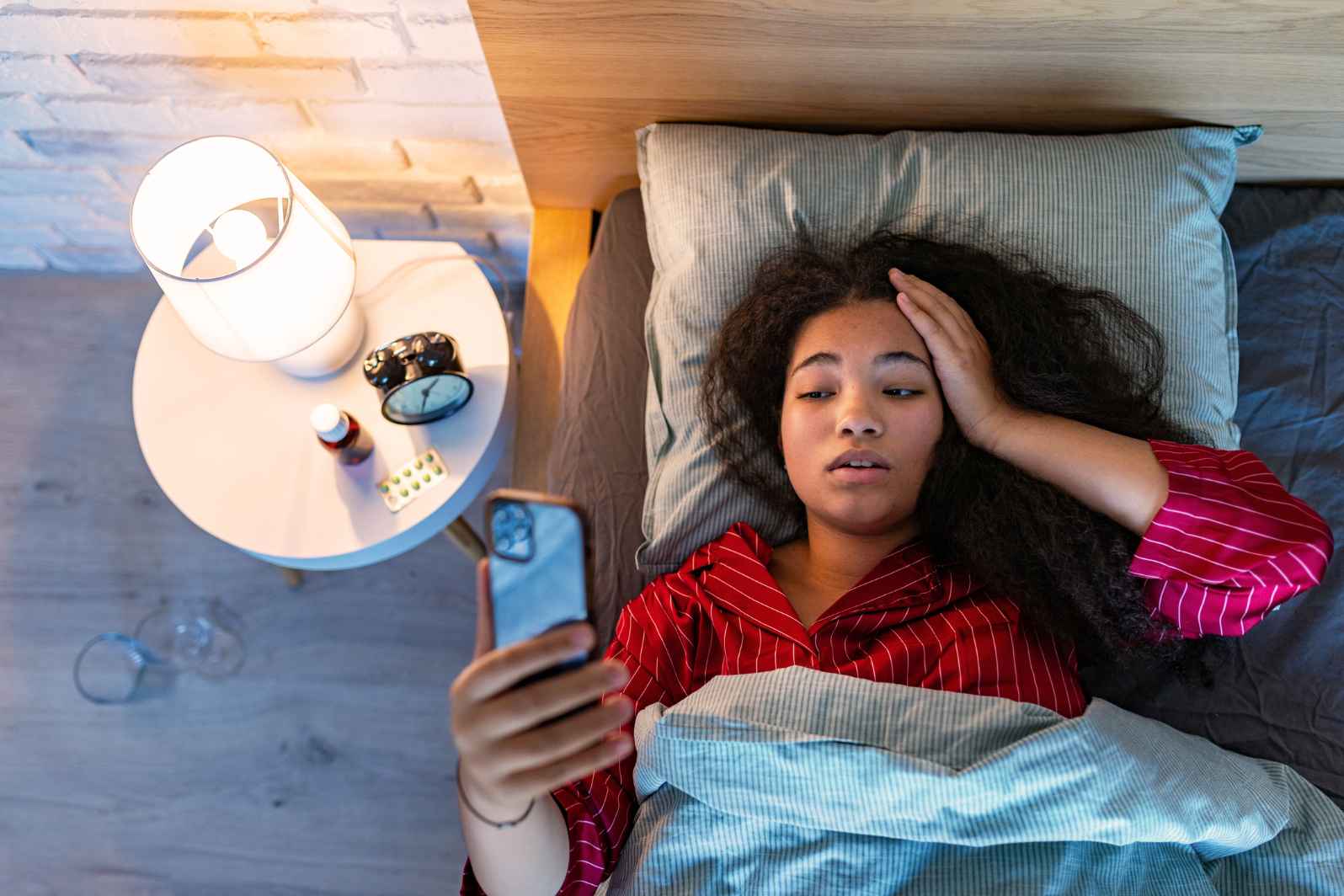
Today, we spend much of our day looking at screens whether on smartphones and laptops or even watching television. For as much as technology brings us closer and keeps us entertained, it also exposes us to massive amounts of blue light. Studies have suggested that too much blue light, especially at night or when we are indoors all day, could interfere with the body’s natural sleep-wake cycle and may make it harder to fall asleep. Knowing how blue light impacts sleep, and finding practical ways to manage its harmful effects can help you sleep better, and improve your overall well-being.
1. What Is Blue Light?
Blue light is one of the forms of high-energy visible light, and can be emitted from both natural sources (the sun) and artificial sources. The sun is the primary source, although LED bulbs as well as phone and computer screens also produce blue light.
Example: Scrolling through your phone before bed is exposing the eyes to artificial blue light, which can interfere with sleep hormones.
The bottom line: There’s nothing wrong with treating yourself to some blue light (in small doses), but studies suggest that staying up staring at bright screens in the evening could mess with your sleep.
2. The Effect of Blue Light on Sleep Patterns
Blue light disrupts sleep by inhibiting melatonin, the hormone in your body that helps your body transition to a state of alertness or relaxation. Melatonin makes you sleepy at night, but blue light fools your brain into thinking it is still daytime.
Example: Looking at screens late at night disrupts the body’s biological cues for slumber, which can make it more difficult to fall asleep.
The bottom line: Blue light exposure after dark disrupts the body’s internal clock and delays the onset of sleep.
3. The Science of Circadian Rhythm
Your circadian rhythm is your body’s internal 24-hour clock that determines when you sleep, feel alert and have energy. During the day, exposure to blue light is positive because it keeps us alert and productive, but nighttime blue-light can mess with that rhythm.
Example: Bright screen light at midnight tells your brain “stay awake” because it reduces melatonin; the rest you experience, restless.
Takeaway: It’s highly important to have balanced light exposure for a healthy sleep-wake cycle.
4. Sources of Blue Light in Daily Life
But of course blue light is everywhere, not just in screens. Among the popular sources are LED lighting, tablets, TVs and even standard indoor fluorescent tubes.
Example: LED-lit office spaces may boost daytime attentiveness, but contribute to overstimulation when they are not shut off late at night.
The bottom line: Knowing the source of blue light can help us control how much we encounter throughout the day.
5. Blue Light and Eye Strain
Long screen exposure not only interferes with sleep, but can also cause digital eye strain. Some presentations include, dry eyes, headaches and blurred vision which resul t from continuously staring at the light of screens.
Example: Looking at your computer screen for a prolonged period without taking breaks can lead to eye fatigue and eye discomfort.
The bottom line: Minimizing screen time and employing appropriate lighting can mitigate digital eye strain.
6. The Influence of Blue Light on Melatonin Production
Your body naturally releases more melatonin at night. But even just short-term exposure to blue light can decrease melatonin levels by a considerable degree.
Example: A study found that use of electronic devices for two hours before bedtime decreases melatonin by nearly 20 percent.
The bottom line: Cutting your access to blue light before you go to bed is pretty crucial for maintaining a natural sleep cycle.
7. The Connection Between Lack of Sleep and Health
Bad sleep from blue light exposure can have long-term health effects such as fatigue, mood disorders and weakened immunity. Ongoing sleep deprivation is associated with an increased risk of obesity and heart disease.
Example: Individuals who engage with smartphones late at night frequently complain of energy loss, irritability and inability to concentrate during the day.
The bottom line: Good sleep is critical for both mental and physical health, and regulating light exposure helps support it.
8. How to Minimize Exposure to Blue Light
Turning your attention to the small lifestyle changes that can minimize exposure to blue light at night is a good way to protect your sleep.
Example: Reduce screen brightness, use night mode (which has become such a common feature on modern smartphones that it’s included in the latest version of Apple’s mobile operating system), avoid digital devices for at least one hour before bedtime.
The take away: Simple adjustments to your daily habits can make a big difference in the quality of sleep.
9. Using Blue Light Filter Apps And Tools
Several smartphones and computers have blue light filters, which are meant to cut down on the amount of blue light that the screen displays. There are also apps that change the color temperature automatically based on time of day.
Example: Features such as “Night Shift” on iPhones or “Eye Comfort” mode on Android devices will warm the screen tone post-sunset.
10. The Role of Blue Light Glasses
Blue Light Glasses Continued Research is still a bit questionable when it comes to blue light and its effect on circadian rhythm.
Blue light-blocking glasses are a type of eyewear designed to block high-energy wavelengths of blue light, allowing users to look at screens in the evening hours without risking sleep disruption.
Example: These glasses – worn while working on a laptop after dark – keep melatonin levels up and eye strain down.
The bottom line: Blue light glasses are a convenient option for those who work late hours on digital screens.
11. Create a Screen-Free Night Routine
Having a bedtime routine without screens will help signal to your body that it’s time to go to bed. Read a physical book, meditate or journal instead.
Illustration: Just cutting out 30 minutes of scrolling on the phone before bed and replacing it with more relaxing activities can have a profound effect on sleep initiation.
So the lesson here: A respite from screens will give your mind a chance to unwind naturally before bed.
12. Step Out in Daylight
Morning sunlight exposure helps keep your circadian rhythm on track, which can make it easier to fall asleep at night. Natural light raises levels of the neurotransmitter serotonin during the day and helps promote production of melatonin as bedtime approaches.
Example: Exercising near a window or in a park will help reinforce your body’s internal clock.
The bottom line: Healthful daytime light exposure may lift our mood and improve the quality of the sleep we get at night.
13. Adjusting Bedroom Lighting
Just as in your bedroom, it turns out that the lighting environment of your room plays a role in how long you sleep. As for evening relaxation, softer, warmer lights are ideal.
Example: Swapping out bright white bulbs with warmer amber or red tones may signal your body to start preparing for sleep.
The lesson: Light temperature is as important as brightness for a sleep-friendly space.
14. Blue Light and Children’s Sleep
Blue light is especially hard on little ones and teens. Too much screen time before bed can also disturb their sleep patterns, resulting in tiredness and lack of focus at school.
Example: Encouraging time with devices to end at least one hour before bedtime can make it easier for children to fall asleep and return to a natural wake-sleep cycle.
The bottom line: Parents can establish healthy screen habits early, which will aid in a child’s development and sleep.
Conclusion
Blue light has a complicated part to play in our daily routine, keeping us aroused during the day but also interfering with rest at night. With screen-time management, blue light filters, and the establishment of healthier nighttime behaviors, you can safeguard your sleep as well as your overall health. Optimal exposure to light – both natural and artificial – is crucial for keeping your body’s natural rhythm intact ensuring high quality, restorative rest every night.
FAQs:
Q1. Is blue light only emitted from screens?
No, but LED and fluorescent lighting does too, although screens are the most well known source at night.
Q2. How much time before bed should I stop using screens?
The recommended practice is to avoid all screens for at least an hour before bedtime so that natural melatonin levels can rise sufficiently.
Q3. Are blue light glasses effective?
Yes, when used properly they can reduce eye strain and help shield your eyes from the adverse effects of melatonin suppression.
Q4. Can I wear filters instead of glasses?
Yes those night mode and blue light filter apps are the low-level-hanging-fruit solutions to exposure.
Q5. Which colour light is good for eyes?
If you want to help yourself and your family switch off in the evening, use warm and dim lighting like an amber or red hue.
