

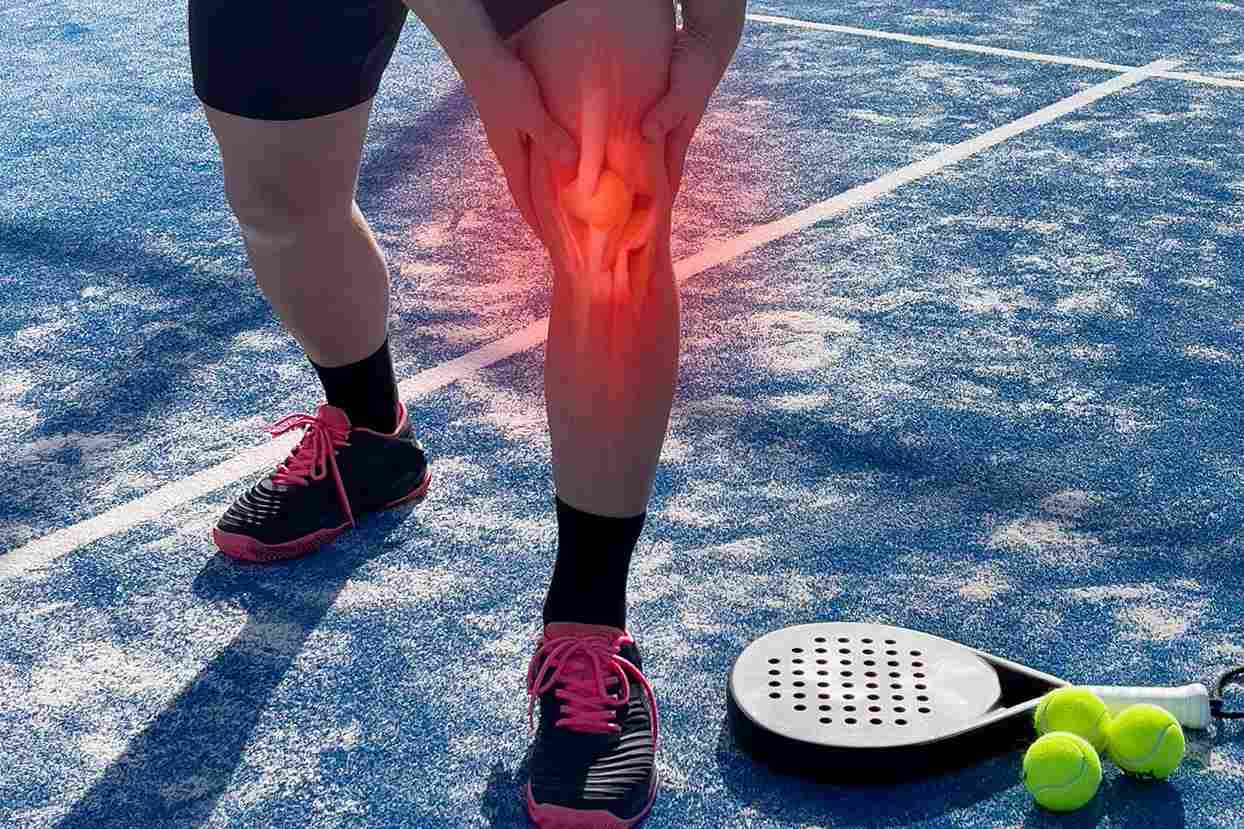
Technology continues to evolve the way we’re able to prevent, detect and treat injuries. From athletes to laborers, wearable devices, AI systems and smart materials are emerging as powerful tools in minimizing the chances of injury. These advancements and many others have allowed athletes to be able to recognize a problem before it’s too far gone, and also heal quicker while performing even more efficiently. How injury-prevention tech is evolving knowledge of that development gives us a glimpse to the future where smarter, more personalized and proactive safety and health than ever before.
1. The Rise of Wearable Technology
Wearable technology such as smartwatches and fitness trackers are leading the way for injury prevention. They flag physical activity, posture and movement patterns as they happen.
Example: Products like WHOOP and Fitbit tell users when they are overdoing it or need more rest.
The one big thing: Wearables allow users to make smart decisions about their training and recovery.
2. AI-Powered Motion Analysis
Artificial intelligence can now scrutinize movement patterns and identify oddities which are likely to get individuals hurt.
Example: AI used in sports training records videos to detect insecure posture or joint burden.
The takeaway: Machine learning gives you a heads up when injuries are about to happen.
3. Smart Fabrics and Clothing
Smart textiles integrated with sensors monitor muscle activity, temp and hydration. These type of materials show signs of strain or wear.
Example: Compression garments with embedded biosensors that would read muscle tension and recommend when to rest.
The takeaway: Smart clothing that puts health data information in context could make for a more comfortable way to get real-time feedback about your well-being.
4. Advanced Footwear Technology
Shoes, already increasingly intelligent, will feature pressure sensors and ergonomic designs to lessen the risk of injury.
Example: Smart insoles track impact and gait balance to reduce knee and ankle injuries.
The takeaway: Well designed shoe technology enhances stability and reduces joint stress.
5. VR for Rehabilitation and Training
Virtual reality is being used to map sports movements and train athletes in a safe environment not subject to physical stress.
Example: Physical therapists give patients VR headgear to guide them through controlled motions as part of their rehabilitation.
The upshot: VR its can reduce risk of re-injury while increasing coordination and strength.
6. Biomechanics and Motion Sensors
Biomechanical analysis measures force, motion and alignment during physical activity using such devices.
Example: Motion sensors monitor the mechanics of an athlete’s jump to reduce ligament injuries.
The lesson: Detailed motion tracking could make for safer training techniques.
7. The Role of Predictive Analytics
Predictive analytics takes data from past injuries and performance numbers to predict potential risks.
Example: Predictive models are deployed to track athletes’ fatigue and head off overtraining.
The takeaway: Data-driven insights lead to the design of personalized prevention programs.
8. Exoskeletons and Support Devices
An exoskeleton is a wearable robotic system that can augment human movement and alleviate loading on muscles and joints.
Example: Factory workers wear exoskeletons to avoid back strains from heavy lifting.
The bottom line: Aid to surmount inevitable hardships, and possibly improve endurance.
9. Smart Helmets and Impact Sensors
Smart helmets used in contact sports measure the force of impact and alert coaches or medics if a player may have suffered a concussion.
For example: Football helmets equipped with accelerometers track hits to the head in real time.
Takeaway: Early treatment for impact injuries can mitigate serious, long-term damage.
10. 3D Printing in Orthopedic Support
Orthotics in personalised form of braces or protection devices can now be designed and produced by 3D printing.
Example: 3D-scanned custom knee-braces feel more comfortable and provide superior support.
The takeaway: Tailored devices enhance the protection and recovery efficiency.
11. Future Trends in Injury Prevention
The future of injury prevention will be built on ecosystems that bring together AI, wearables and immediate health monitoring.
Example: Smart systems of the future will pick up micro-injuries before symptoms occur and dial down activity automatically.
Take 5G: Around the corner, it’s promising not just to make your phone faster but to predict accidents before they happen.
Conclusion
Technology has been the next frontier in maintaining athlete safety and health, going from guards and helmets to increasingly…it is leading towards intelligent technology- that monitors, forecasts as well as supports the body’s natural recovery. Such advances as weareables, AI motion analysis and smart fabrics are making it easier for people to train smarter and recover quicker. As technology develops, we believe that prevention will increasingly rely on data and more personalised approaches to keep athletes, workers and people of all walks of life safe. The future of health and performance in preventative before anything else using smarts as the sauce.
FAQs:
Q1. How does tech help reduce injuries?
By monitoring bodily motions and analysing data to issue real-time alerts for early signs of risk.
Q2. What are the best wearables to help prevent injury?
Garmin, WHOOP and the Apple Watch are among the many devices to provide detailed fitness and recovery insights.
Q3. How is AI able to predict these future injuries?
The AI is looking for movement patterns that signal strain or fatigue, based on data it has gathered from sensors and prior performance.
Q4. Can smart clothing prevent injuries?
Yes, by tracking muscle activity and posture it helps users to adjust before injury is done.
Q5. What does the future of injury-preventing technology hold?
AI + biomechanics + wearable tech = personal real-time injury prevention systems.
