

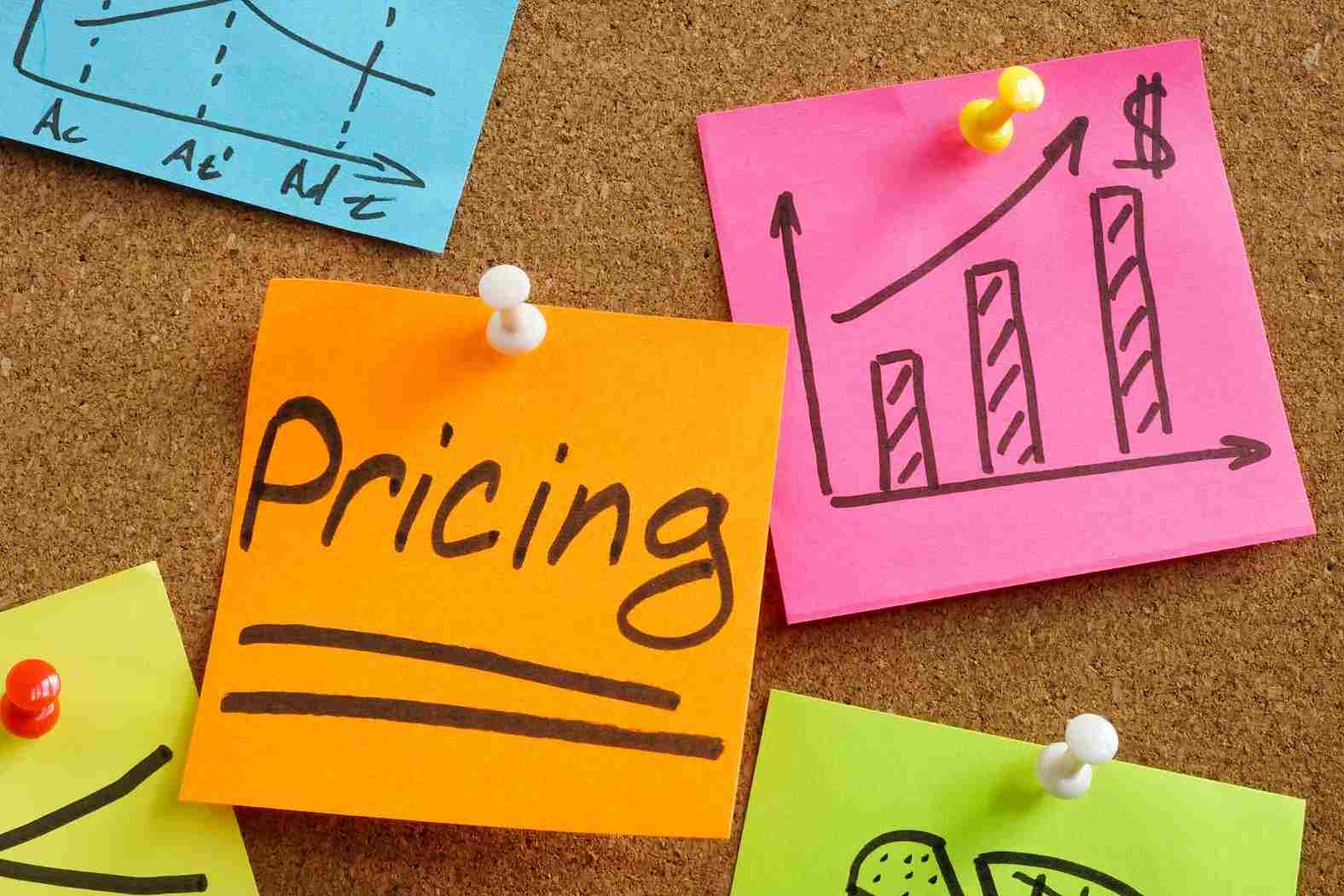
Price is one of the most transformative business decisions. It has a direct impact on your bottom line, brand and customer sentiment. The process of determining the right price is not just about covering costs – it’s understanding market demand, competing strategies and customer psychology. An effective pricing strategy can grow profit margins, encourage repeat buyers and reinforce your place in the market. Whether you’re bringing a new product to market or taking a hard look at your existing prices, identifying the sweet spot between affordability and profitability is crucial for long-term success.
1. Understand Your Costs
Before you even think of a price, you first need to know what your total costs are – including production, labour, packaging (if any), shipping and marketing. Selling at less than cost may increase sales for a time, but it inevitably creates losses in the long run.
Example: Say a product costs ₹500 to produce and market, then selling it at ₹450 is an unprofitable proposition.
The lesson: Price your product more than the total break-even price point-of-impact (no profits) to maintain profits.
2. Know Your Market and Competitors
Looking at your competition will allow you to know what the market expects and what things are being priced at. Determine what your product is of high quality, unique, and valuable in.
For instance: If rivals are selling similar products for ₹1,000, you can charge a higher price if your product has some additional or better features.
The lesson: Competitive analysis is how you ensure your pricing matches up with customer expectations and market realities.
3. Determine Your Target Audience
Different audiences value products differently. You will always have to set your pricing based on what you know about the spending capacity and preferences of your target customer.
Example: If you have a premium skin care brand, you can command top dollar for your products directed to high-earning consumers.
The lesson: Match pricing to what your audience is willing and able to pay and what you think will deliver value.
4. Choose the Right Pricing Strategy
Pricing your product right There are a few ways to make sure you’re reaching all who can afford. Some of them are cost-plus pricing, value-based pricing and competitive pricing.
Example: Cost-plus strategy is concerned with a fixed markup to production cost, where as the value-based pricing considers what type of product or service and how much consumers are willing to pay for.
The upshot: Go with a strategy that suits your business model and market ambitions best.
5. Focus on Perceived Value
Higher price often carries an association of higher quality in the minds of consumers. You can get away with charging a higher price by improving branding, packaging and service.
Example: Apple products are sold at a premium, because the customer believes them to be high-quality and trustworthy.
The lesson: Growing perceived value empowers you to charge more and not lose customers.
6. Use Psychological Pricing Techniques
little changes of price can cause people to buy at least once. Strategies such as charm pricing (parsing prices in.31, $1.77, etc. 99) or package pricing drive sales.
Illustration: It feels better to price a product at ₹999 than at ₹1,000, even though it’s not much of a discount.
Bottom line: Clever psychological pricing can help increase conversions and make your product seem more affordable.
7. Monitor Customer Feedback
“I’ve had customers tell me whether my pricing was too high or too low. Monitoring of the feedback allows you to keep a balance between profit and satisfaction.
Example: If customers keep citing price as an issue, it may be time to reassess your strategy.
The lesson: Attending to customers’ words makes for a more tuned pricing effort that pays off better.
8. Consider Seasonal and Demand-Based Pricing
Demand fluctuates throughout the year. Price optimization during holiday periods and off-seasons can enhance sales and profits.
Example: Discounts in low seasons or surcharge in peak season will increase profit.
Takeaway: Dynamic pricing responds not only to changes in market conditions, but also helps maintain a steady course of profitability.
9. Test Other Price Points
Testing and learning around pricing through A/B testing indicates what customers are willing to pay.
Example: If you have two price options for the same product, you can track which makes more money overall.
The lesson that the company learned: Regular testing locates the right price where sales peak and so do margins.
10. Add Distribution and Payment Expenses
If you sell online, think about payment gateway fees, shipping and commissions. These hidden costs eat into profits if they aren’t reflected in pricing.
For example: Marketplaces tend to take up to 15% in commissions, and a figure like this has to come out of your pricing model.
The takeaway: Account for all hidden costs to keep your profit intact.
11. Review and Adjust Regularly
Trends on the market evolve, the cost varies and so does what type of outfit customers request. You keep your business competitive and profitable when you continually revisit and tweak a pricing strategy.
For Example: Higher input costs, or inflation in general, may demand a gradual increase in prices that keep profit margins stable.
The takeaway: Ongoing scrutiny allows you to stay in touch with market realities.
Conclusion
When it comes to pricing your product or service, balancing costs with market demand and perceived value is easier said than done. Good pricing is not just about covering costs but also serving as a reflection of your brand and quality that customers can trust. Through competitive analysis, price point testing and flexibility with the markets you can create a model that is sustainable while driving sales as well as profits. Smart pricing isn’t about being the cheapest; it’s about providing value customers are willing to pay.
FAQs:
Q1. What is the best pricing approach of products?
Customer value-oriented pricing is often most effective since it concentrates on the perception of a customer and does not center only on costs.
Q2. How frequently do I have to re-evaluate the prices?
At least semi-annually or where there has been significant market activity or costs have changed.
Q3. Should I be undercutting my competitors?
Not always. Instead, invest in perceived value and product differentiation.
Q4. What is psychological pricing?
It’s a strategy that relies on little pricing tricks like ₹999 instead of ₹1,000 to nudge people toward buying.
Q5. How do I know if my price is too high?
If your products aren’t selling, yet you have good marketing, then customers may perceive your product to be high priced for the value it delivers.
