

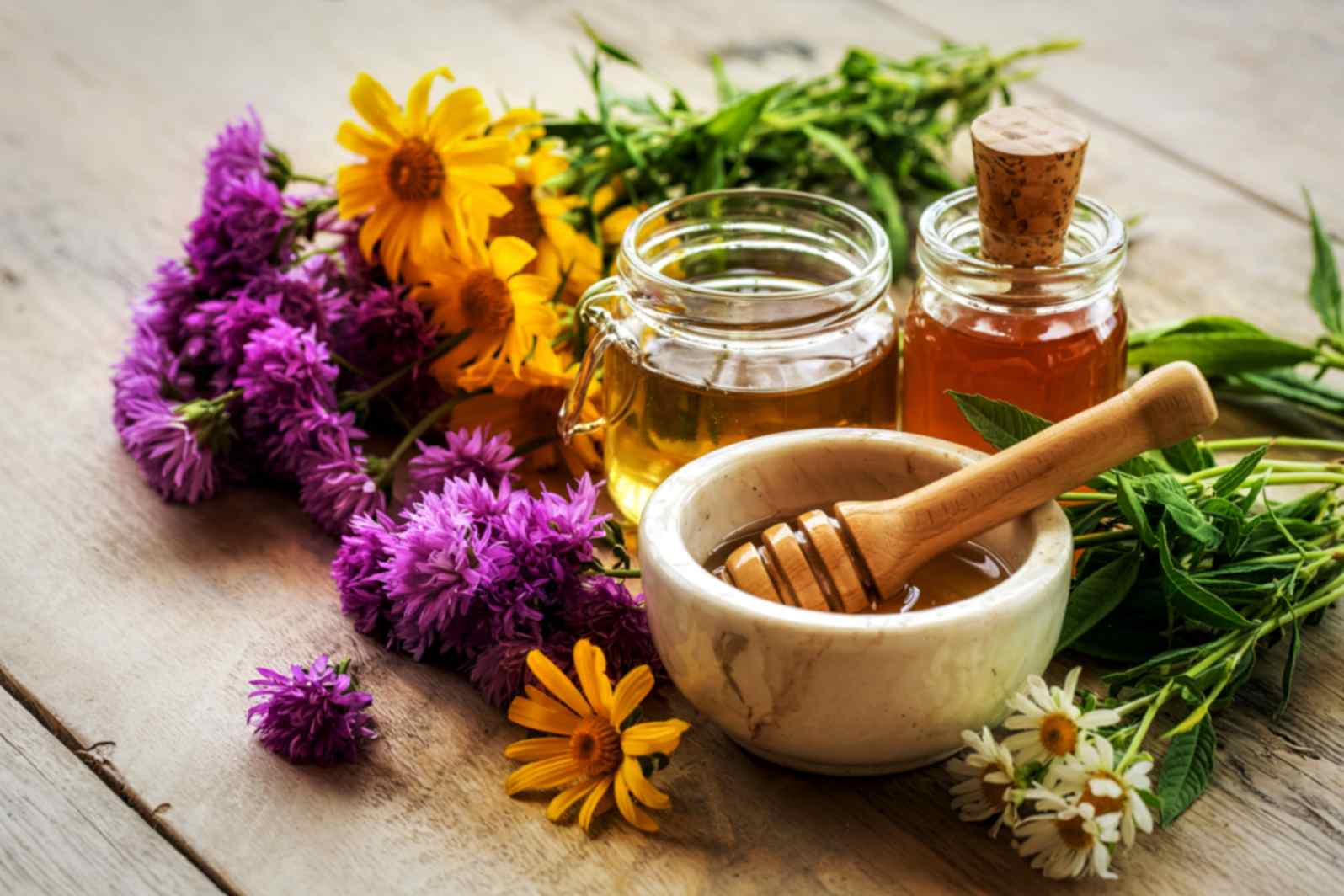
Vitamin supplements and herb remedies have been used for centuries to treat everyday issues, but in recent decades science has caught up with these folk cures. Though not all herbal remedies pose health risks, some have been found to carry powerful health benefits. These natural remedies translate ancient wisdom into modern science – from easing inflammation to aiding digestion and strengthening your immune system. Knowing which ones work can help you make an informed and safe choice for optimal health and well-being.
1. Turmeric for Inflammation and Joint Health
Turmeric, a golden-yellow spice rich in curcumin, has powerful anti-inflammatory and antioxidant properties. Studies show it helps reduce joint pain and stiffness associated with arthritis.
Example: Research published in The Journal of Medicinal Food found that curcumin was as effective as some anti-inflammatory drugs in relieving arthritis symptoms.
The bottom line: Tumeric or curcumin supplements are a natural way to improve joint health and fight inflammation with long-term use.
2. Ginger for Nausea and Digestion
Ginger is among the most researched natural remedies for nausea, indigestion and motion sickness. It can calm down those stomach contractions and ease digestion!
Example: Clinical trials indicate ginger alleviates nausea in pregnant women and people undergoing treatment.
The bottom line: Fresh ginger in tea or capsule form may help reduce nausea and support a healthy digestive system.
3. Coughs and also for Healing Wounds -Honey
Honey gets its antibacterial qualities and mild antiseptic properties from the process used by bees collecting nectar, which creates hydrogen peroxide; Thats why it can be therapeutic on your skin as a balm or in a salve.
Example: A study published in Pediatrics discovered that one teaspoon of honey at bedtime decreased coughing and helped children sleep better.
The takeaway: Raw or manuka honey isn’t simply a natural sweetener, but even more importantly it’s medicinal.
4. Peppermint for Headaches and IBS
Peppermint is rich in menthol, compound that can help relax muscles and ease pain. Peppermint oil has been extensively studied for treating tension headaches and symptoms of irritable bowel syndrome (IBS).
Example: In IBS patients, the XX of a meta-analysis published in BMJ Open Gastroenterology demonstrated that peppermint oil capsules reduced abdominal pain and bloating.
The bottom line: Peppermint tea or diluted essential oil could alleviate digestive and headache issues.
5. Aloe Vera for Skin Health
Aloe vera gel contains vitamins, enzymes and amino acids to heal skin and hydrate. It’s (scientifically) good for burns, acne and dry skin.
Example: Research indicates that aloe speeds up the healing process for wounds and decreases redness in sunburned skin.
The bottom line: Smooth on fresh aloe gel to cool irritation and encourage healthy skin renewal.
6. Garlic: for Your Immune System and Heart
Garlic is antibacterial, anti-viral and anti-fungal. It reduces blood pressure and cholesterol as well, helping cardiovascular health also.
Example: Study published in The Journal of Nutrition found that eating garlic regularly lowered the risk of catching common colds, while also bettering heart health indicators.
The bottom line: Eating raw or cooked garlic with meals helps boost immunity and promotes heart health.
7. Chamomile for Sleep and Anxiety
And the soothing effects of chamomile Chamomile has long been known as a relaxing and calming herb. It is also used to promote sleep quality and ease mild symptoms of anxiety.
Example: Research indicates that chamomile tea promotes relaxation and helps with sleep quality among people with insomnia.
The lesson: A steaming cup of chamomile tea before bedtime leads to a state of stillness and slumber.
8. Antioxidant and Brain Power with Green Tuocha Ganglionic
Green tea is rich in catechins, powerful antioxidants that protect against cell damage and enhance brain function. It even improves metabolism and fat burning.
Example: Consistent use has been associated with a reduced risk of heart disease and enhanced cognitive function.
The bottom line: 2–3 cups of green tea per day help maintaining brain health and function.
9. Eucalyptus for Respiratory Relief
Eucalyptus oil is a natural decongestant that can contribute to the relief of sinus congestion and cold related symptoms.
Example: Inhaling the vapor of eucalyptus, wherever it’s found or applied (chest rubs), can clear nasal passages and assist breathing.
The bottom line: When diluted correctly, eucalyptus essential oil is safe for short-term relief of respiratory issues.
10. Probiotics for Gut Health
Probiotics are good bugs to help with digestion and immunity. They bring balance back to the gut microbiome, which can positively influence your health.
For example: Probiotics are proven to prevent antibiotic-associated diarrhea and reduce symptoms of IBS.
The bottom line: Eating yogurt, kefir or probiotic supplements improves digestive health.
11. Lavender for Stress and Sleep
The calming scent of lavender has been proven to reduce stress, anxiety and insomnia. It relaxes the nervous system which bring down heart rate and blood pressure.
Example: The Journal of Alternative and Complementary Medicine reported that Aromatherapy with Lavender essential oil helped improve the quality of sleep in hospital patients.
In summary: Lavender oil or tea can help to relax and calm the mind.
12. Apple Cider Vinegar for Blood Sugar Control
For its metabolic and blood sugar benefits, apple cider vinegar (ACV) is incredibly popular. It increases insulin sensitivity and assists in controlling postprandial (mealtime) glucose.
For instance: Research in Diabetes Care found that consuming two tablespoons of ACV diluted in water before a meal could help lower post-meal blood sugar levels.
The bottom line: Drinking 1 tablespoon of that ACV in a watered-down form before your meal could help lower blood sugar.
13. Brain and Heart Health with Omega-3 Fatty Acids
Omega-3s in fish oil, chia seeds and flaxseeds have anti-inflammatory and brain-boosting effects. They help with heart function, decrease joint pain and improve mood.
“It can potentially decrease your triglycerides, which could also help with symptoms of depression.” Example: According to some research, omega-3 supplementation might be able to lower triglycerides and alleviate symptoms of depression.
The bottom line: Consuming omega-3s consistently is beneficial for cardiovascular and mental health.
Cinnamon for Glucose-Levels and Digestion effects
Cinnamon can boost insulin sensitivity and lower blood sugar levels in people with type 2 diabetes.
Example: Daily cinnamon consumption reduced fasting blood glucose levels in a study published in Annals of Family Medicine.
The bottom line: Cinnamon adds both taste and metabolism-boosting properties to meals.
14. Tea Tree Oil For Acne And Skin Infections
Tea tree oil is a natural disinfectant and dandruff treatment, as well as an effective antiseptic against lice.
Example: A study in The Medical Journal of Australia discovered that tea tree oil has the ability to lower acne lesions as well as some topical treatments.
The bottom line: Tea tree oil is a potent natural remedy if you want to get rid of acne spots.
Conclusion
Natural cures can be a useful aid to health when used in the right situation and on an evidence base. Many of these folk remedies – which are often carefully passed down through generations and relied on for years — even have some real health benefits supported by research. But it’s also important to use them responsibly, and get professional help if you need it. Integrating the force of nature and knowledge, there is a harmonious way to heal, prevent and maintain your health.
FAQs:
Q1. Do natural remedies work better than medicine?
Some can help for mild cases, but they should not be substituted for prescribed medication without a doctor’s recommendation.
Q2. Can I take several homeopathic remedies at once?
Yes, but check with your doctor to make sure they don’t interact with medications or have side effects.
Q3. Are herbal supplements safe?
First, most are safe in recommended doses – but quality and even purity can vary. Always choose reputable brands.
Q4. How long does it take for home remedies to work?
They often work slowly, so frequent use over time delivers best results.
Q5. What are the natural remedies that actually work?
Turmeric, ginge, garlic, probiotics and green tea are some of the most well-studied options.
