

Professional athletes understand that just as essential as training is recovery. Being able to recover effectively at that age will enable them to perform, avoid injuries and play for longer.” Recovering isn’t just about resting, either it’s a science that involves nutrition, technology and mental well-being. They incorporate a mix of proven strategies from high-tech interventions to some simple lifestyle habits that will help the body repair and recharge more quickly. Learning the methods described can benefit anyone’s recovery and performance.
1. Recovery in Sports What is it?
Recovery restores the body’s energy, repairs muscles and combats overtraining. Without adequate recovery, performance decreases and the likelihood of injury goes up.
Example: Pro football players have elaborate recovery routines after games so that they can be at least as good on Sunday afternoon as they were on say – Thursday night.
The lesson: Recovery is as important for success in sports it’s an afterthought.
2. Active Recovery
Active recovery includes mild exercises that you do to keep the blood flowing but don’t over-exert yourself.
Example: Jogging, stretching and cycling at a low intensity can also help muscles rid themselves of lactic acid.
The bottom line: Mild activity accelerates muscle recovery and decreases stiffness.
3. Cold Water Baths and Ice Baths
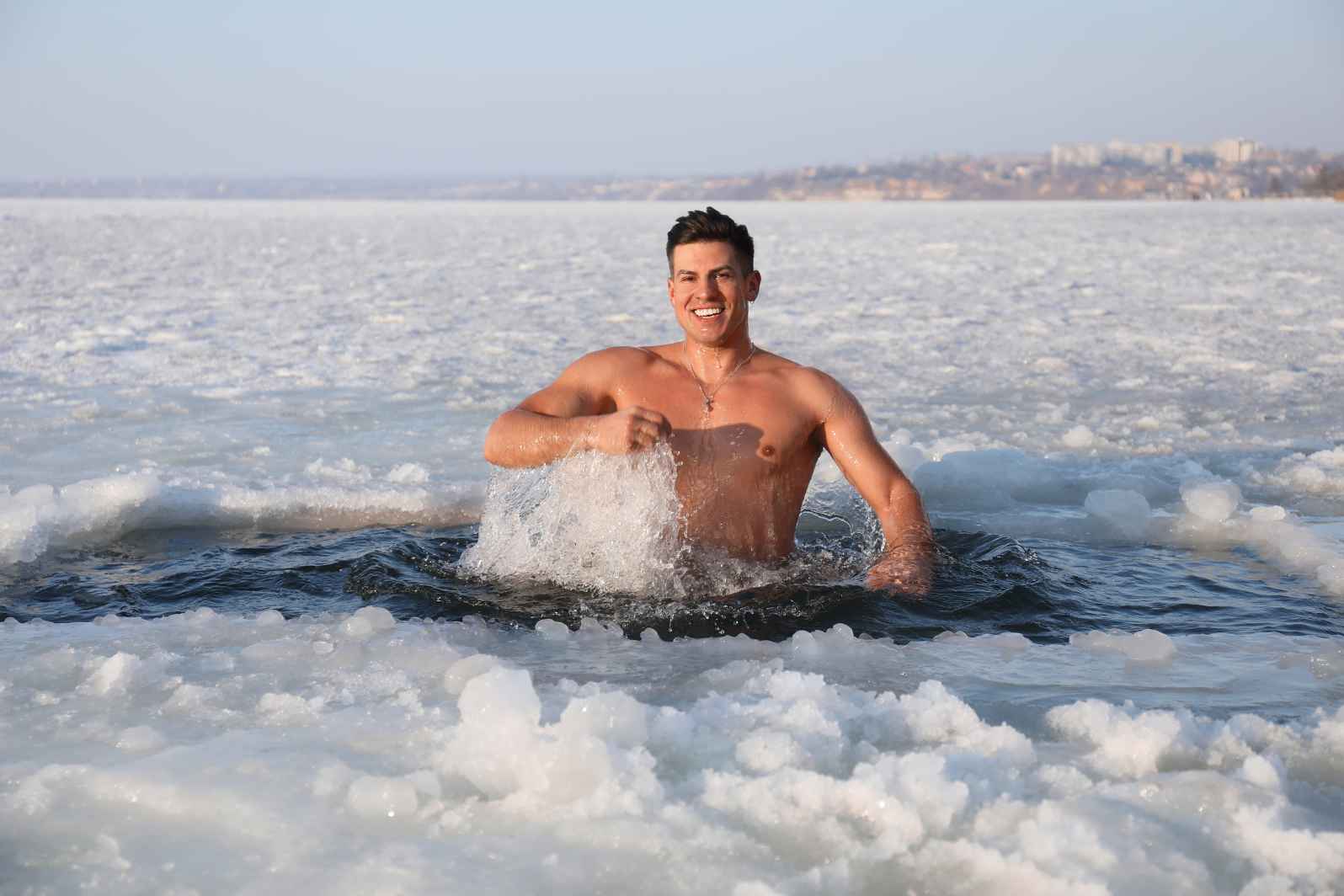
Ice baths are useful for minimizing post-exercise inflammation and muscle soreness following intense training.
Application: Athletes take cold (10–15°C) water therapy for 10–15 minutes in order to reduce swelling and fatigue of muscles.
The takeaway: Cold therapy expedites muscle recovery by managing inflammation.
4. Contrast Therapy
Contrast hydrotherapy involves alternating between hot and cold exposure to blood vessels to increase circulation flow and minimize soreness.
Example: Going from a hot shower to an ice bath helps deliver nutrients to fatigued muscles.
message: Alternate temperatures to increase blood flow and the efficiency of recovery.
5. Massage Therapy and Foam Rolling
Relieves muscle tension, enables better flexibility and increases muscle oxygenation.
Example: Athletes often use foam rollers daily to avoid being tight or stiff and to improve their range of motion.
Bottom line: Soft tissue therapy can help speed up recovery and prevent injury.
6. Compression Garments
Compression clothing can aid in increasing blood circulation and decreasing swelling after a workout.
Example: Runners and cyclists regularly don compression socks to reduce fatigue and improve recover.
The bottom line: Compression enhances the flow of blood and accelerates muscle repair.
7. Sleep Optimization
And the body’s best natural recovery tool is sleep. Growth hormone pools rise during deep sleep, assisting with tissue repair.
Example: Professional athletes strive for 8 – 10 hour of quality sleep routine.
The takeaway: Good and consistent sleep helps aid any physical and mental recovery.
8. Nutrition and Hydration
Good nutrition helps to restore energy sources and repair muscle. Water helps carry nutrients and prevents cramps.
Example: Protein and carbohydrates consumed in a postworkout meal aid in muscle recovery.
The upshot: What athletes eat and drink after exercising can significantly affect how quickly their bodies will be ready for the next workout.
9. Cryotherapy
Cryotherapy is the practice of using cold temperatures to promote natural healing and wellness.
For example, whole-body cryotherapy treatments typically last 2–3 min at temperatures as low as –150°C.
One for the road: I definitely notice faster recovery and increased energy when I do cryotherapy.
10. Mental Recovery and Mindfulness
Resting the mind is as important as resting the body. Methods such as meditation or visualization can reduce stress and enhance focus.
Example: Many athletes use mindfulness to remain calm and mentally tough during competition.
The bottom line: A rested mind will speed physical recovery and enhance performance.
11. Advanced Technology and Monitoring
Today’s recovery requires technology such as recovery boots, sleep trackers and heart rate monitors.
Example: Devices track recovery data like quality of sleep, muscle strain and oxygen levels.
The bottom line: Recovery is data-driven, allowing athletes to personalize strategies based on individual needs.
Conclusion
Elite athletes don’t achieve greatness through brutal training but smart recovery, too. Methods such as cryotherapy, massage, active recovery and sleep optimization keep their bodies feeling fit and resilient. It doesn’t matter who you are a professional looking to further gain an edge in the most competitive of sports or a weekend warrior trying to prevent injury and maintain long-term health, these principles help improve performance. The key to peak performance is finding balance – train hard, recover harder.
FAQs:
Q1. Why is recovery so important for athletes?
Its there to assist in muscle recovery, decrease fatigue and contribute to consistency in a routine.
Q2. How frequently should athletes perform recovery techniques?
Daily recovery practices such as sleep and hydration are important, while advanced methods will be implemented post-hard sessions.
Q3. Do ice baths work for anyone?
Yes, but tolerance varies. Short sessions are typically all right and best for most athletes.
Q4. How does nutrition support recovery?
“Protein repairs muscle tissue, carbohydrates replenish energy and hydration balances the body’s electrolytes.
Q5. Recovery: What is the best thing to do?
A mix of sleep, fuel and active recovery is best for health and performance.
