

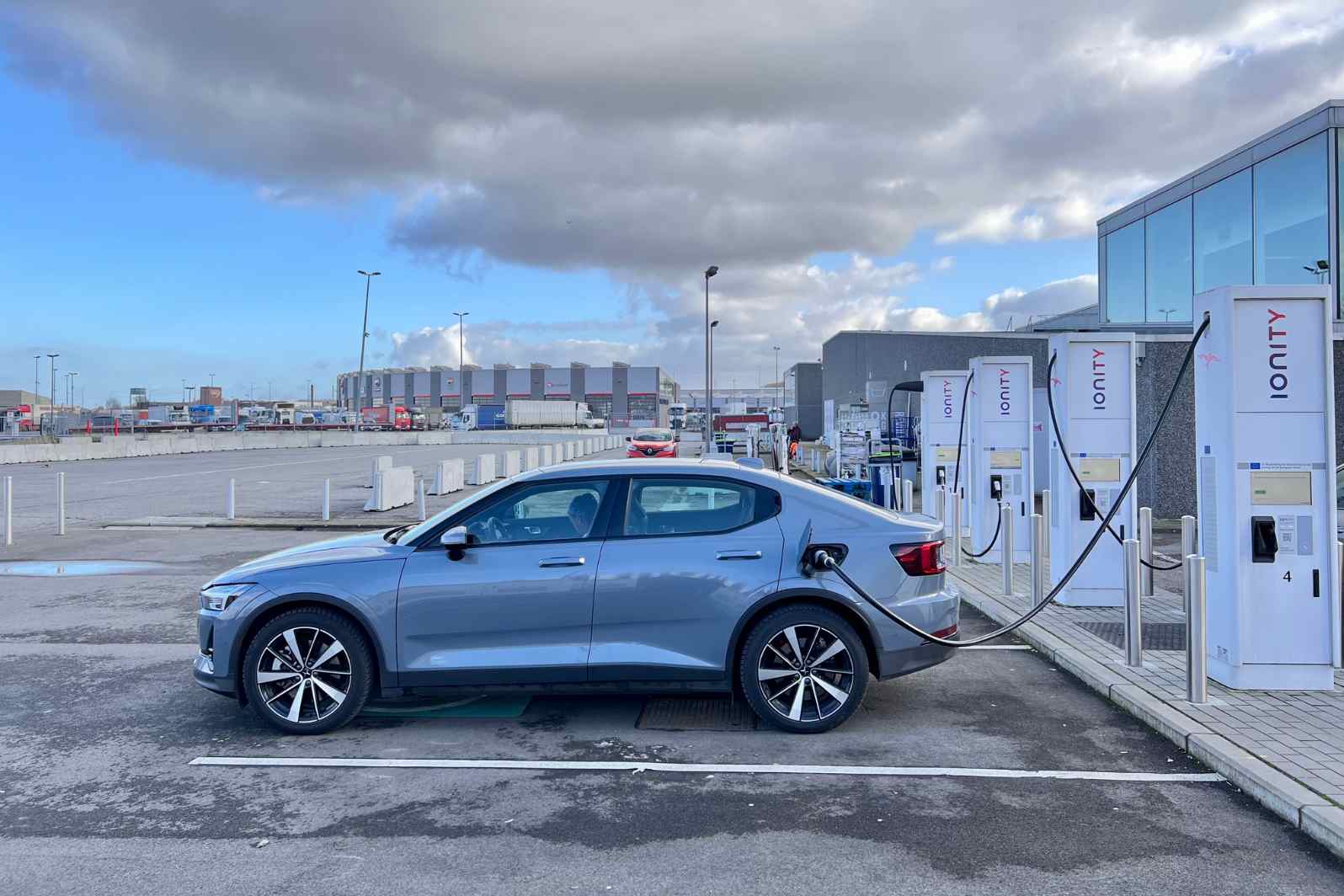
Amidst accelerating global environmental woes, the chatter between traditional gasoline cars and electric vehicles (EVs) is rising. They both do the same basic job of getting us from A to B, but their ecological impact is worlds apart. Conventional cars consume fossil fuels and emit the greenhouse gases that cause climate change, while electric cars offer cleaner energy and lower emissions. But EVs are not completely in the clear, impact-wise. The complete life cycle of both types – from manufacture to disposal – bring out the absolute environmental costs and benefits.
1. Greenhouse Gas Emissions
Conventional cars spew carbon dioxide and other greenhouse gases straight out of the tailpipe; electric cars produce no tailpipe emissions.
Example: A gasoline car emits roughly 4.6 metric tons of CO₂ a year; an electric one, zero in operation.
Takeaway: The use of electric cars slashes emissions to a great degree and makes for clearer air and smaller carbon footprints.
2. Energy Source and Electricity Generation
While EVs don’t burn gas, their environmental impact is a function of how electricity is generated. In places where the power comes from coal, these virtues are diminished some, but with renewable energy, EVs become so much greener.
Example: An electric vehicle powered by solar or wind electricity is almost emissions-free, while one charged from coal-fired power has a carbon footprint.
The takeaway: The greenness of EVs gets better as renewable energy grows.
3. Fuel Production and Refining
Conventional cars and trucks depend on the extraction and refining of petroleum, processes that introduce pollution and habitat destruction. Electric cars don’t have to deal with it at all.
Example: Oil drilling causes habitat destruction and spills that do damage to ecosystems, while electricity production can be cleaner and more managed.
The upshot: The less reliant you are on fossil fuels, the less harm to the environment and depletion of resources.
4. Battery Manufacturing Impact
The production of lithium-ion batteries that power electric cars also poses environmental challenges, from mining to energy-intensive manufacturing.
Example: Extracting lithium, cobalt and nickel could result in soil and water contamination more broadly in areas with scant environmental regulations.
The upshot: Even as EVs lower emissions, cleaning up the battery supply chain looms ever larger as a global priority.
5. Lifecycle Carbon Footprint
Factoring in production, use and disposal, EVs have a generally lower lifetime carbon footprint than traditional vehicles, with the exception of being initially higher in emissions from manufacture.
Example: An electric car can produce over its lifetime 50 percent fewer greenhouse gases than a gasoline car, depending on the sources of energy.
The punch line: EVs are better for the environment than traditional vehicles after several years of driving.
6. Air Quality and Public Health
Conventional vehicles produce pollutants such as nitrogen oxides and particulate matter, polluting the air and posing health risks. EVs eliminate these local emissions.
Example: Cities that have more electric vehicles benefit from cleaner air and less respiratory disease.
The bottom line: Shifting to electric mobility will help improve urban air quality, facilitating healthier communities.
7. Noise Pollution Reduction
Electric vehicles are much quieter than gasoline-fueled cars, eliminating a lot of noise pollution in cities.
Case study: EVs produce very little mechanical noise, leading to quieter cities.
The takeaway: Less din makes for better quality of urban life.
8. Recycling and Waste Management
Unfortunately, there is waster and pollution created by traditional cars — as well as electric ones — but EV batteries create specific recycling issues. Low-recycle systems an be environmentally “cleaner” in overall impact.
Example: The promising development of being able to recycle as much as 95% of lithium-ion battery materials means less waste.
The take away: Electric vehicles require sustainable recycling solutions for long term success.
9. Resource Dependency
Traditional cars are heavily reliant on oil, while EVs depend on minerals such as lithium and cobalt. Both have supply chain and geopolitical implications as companies and countries build their own manufacturing capabilities after facing critical shortages this year.
For example: diversifying resources and developing ethical mining can help mitigate dependency risks associated with electric cars.
The message: Good sourcing and innovation are what it’s going to take to minimize the adverse environmental and social impact.
10. Renewable Energy Integration
EVs are part of the renewable energy ecosystem, by buffering overflow in electricity and balancing power systems: the circular economy touch is not limited to transportation.
Example: So-called “smart charging” of EVs would bring cars to recharge when renewable energy supply peaks.
The upshot: Electric vehicles can aid in driving the transition to cleaner, renewable-based energy systems.
11. Future of Sustainable Mobility
The real solution is to develop better (and cheaper), electric vehicle technology and infrastructure while weaning ourselves off fossil fuels. The advent of more efficient batteries, recharging points and renewable power will reduce even further the environmental input of electric mobility.
Example: Solid-state batteries and universal solar adoption make cleaner cars last longer.
The upshot: Next-gen sustainable transport is being driven by innovation and clean energy.
Conclusion
Traditional or electric cars, their effects on the environment A report done by IIHS highlights the significant transition to cleaner and more sustainable mobility. There’s still a big question about how electric vehicles are produced and ultimately recycled, but the trade-offs to gasoline-powered cars look increasingly likely to favor EVs as clean energy becomes more widespread. Opting for EVs doesn’t just cut carbon emissions, but local air pollution and health impacts. The future of how we get around will be enabled by relentless innovation, committed to safety, rooted in sustainability and open to all.
FAQs:
Q1. Are electric cars completely eco-friendly?
Not exactly, but they generate far fewer emissions than traditional vehicles do when you add up everything over their lifetimes of operation.
Q2. Electric Cars Are Better for the Planet and Often Your BudgetWhat Makes Electric Vehicles GreatFor the Environment, and Why?
They have no tailpipe emissions, so they can be powered by renewable energy and leave a small carbon footprint.
Q3. Do electric cars produce pollution when they’re built?
Yes, largely from production of batteries, but their emissions are still lower than gasoline cars overall.
Q4. How many miles must an electric car be driven before it has a smaller carbon footprint than an average gas-powered car?
Usually takes 2-3 years with normal sources of energy and drive style.
Q5. Are electric car batteries recyclable?
So yes, a lot of the stuff in batteries can be recycled and reused via advanced recycling technologies.
