

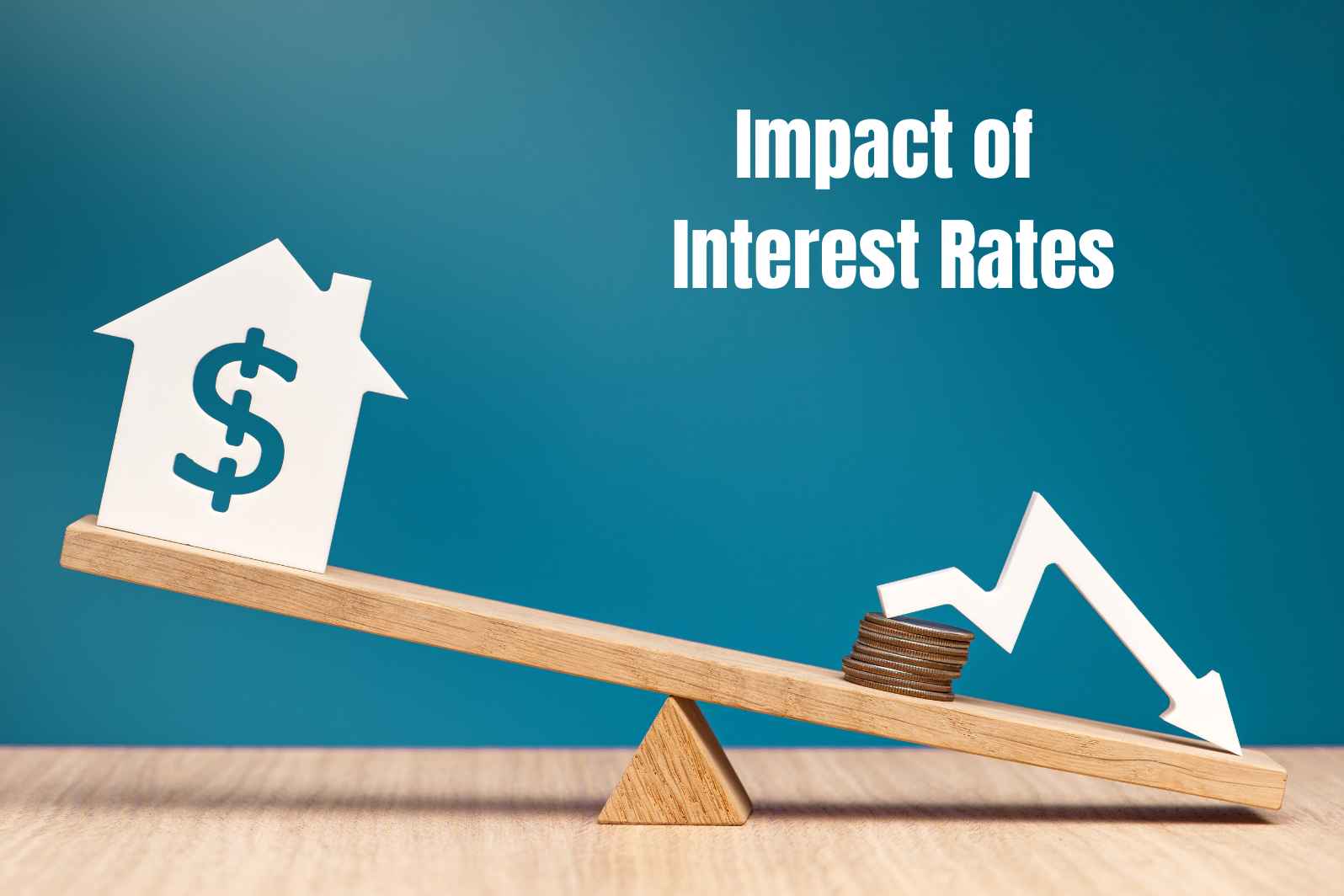
Real estate is heavily influenced by interest rates. Whether you’re a seasoned investor or an individual buying for the first time, changes in interest rates have a marked impact on what makes real estate affordable, desirable and profitable. Low rates make borrowing cheaper, and encourage more investment. But when it does rise, mortgage costs go up and this tends to reduce property prices and dampen investor enthusiasm. Knowing how interest rates impact property investment enables you to make better choices, more effectively manage your money and grow long-term wealth in whatever market the industry is currently in.
1. The Impact of Interest Rates on Property Prices
Interest rates and property prices typically move in opposite directions. When borrowing becomes expensive, fewer can afford to buy homes, and demand slows while prices correct.
An example: A small move upward in mortgage rates can cut buyers’ purchasing power, leading to declining or stabilizing property prices.
Takeaway: When lending rates are high, property prices grow more slowly or even temporarily decline.
2. Low Rates Spur Further Investment
When interest rates are low, property starts to look better as a long-term investment. For investors, lower borrowing costs make it easier to obtain financing and free up cash flow.
Example: When rates are low, investors might purchase more rental properties because monthly loan payments lower.
The takeaway: Low rates drive purchasing activity and give investors a shot in the arm.
3. The Effect on Mortgage Payments
Interest rate changes, even in small increments can have a profound effect on the size of your monthly mortgage payment. Higher rates add to costs which shrink overall affordability for buyers and investors.
For example: A 1% increase in mortgage rates can tack on hundreds, or even thousands of dollars a year to repayments.
The lesson: You should always run the long-term payment numbers before you decide to take on a mortgage.
4. Impact on Rental Yields
Soaring mortgage costs could see property owners push rents up to maintain their profit margins. But that’s contingent on local demand and tenants’ ability to pay.
Example: In hot cities, landlords can pass on slightly higher interest rates in the form of increased rents but that won’t necessarily work in slower markets.
The takeaway: Knowing the dynamics of the rental market keeps returns consistent even as rates wax and wane.
5. Investor Sentiment and Market Trends
Interest rates shape investor confidence. Consumers get that, do the math and make their decisions about optimism or caution.
Example: An abrupt increase in rates could lead investors to hold off on buying until markets settle.
The lesson: Investor sentiment has a direct impact on market momentum and the volume of transactions.
6. The Inflation and Growth Nexus
Central banks change interest rates to influence inflation and support economic stability. Real estate investing flourishes when inflation is in check and borrowing rates are manageable.
Example: Moderate inflation often lifts property prices, but high inflation lashed with rising interest rates can sap affordability.
The takeaway: A strong economy backs steady property appreciation, even when rates are in flux.
7. Long-Term vs Short-Term Investors
And long-term investors aren’t shocked by the rise in rates. Short-term investors tend to suffer from rising rates more than long-term investors. But long-term property holders enjoy appreciation and rental increases, regardless of rate swings.
Example: A buy-and-hold investor can survive short-term interest rate rises by concentrating on long-term equity returns.
The takeaway: Investors can manage rate changes successfully by being patient and planning.
8. Refinancing Opportunities
Declining interest rates present homeowners the chance to refinance their mortgages at a lower rate, freeing up funds from savings on monthly payments for other investments.
Example: Refinancing during a low-rate period can lower payments and boost returns from rental properties.
The takeaway: Keeping an eye on rate trends can help you determine the best time to refinance and reinvest.
9. Global Factors Affecting Interest Rates
Local interest rates are also affected by movements in global economics such as rises in inflation, and policies from central banks or foreign-exchange trading.
For example: Any move made by the U.S. Federal Reserve or even the European Central Bank can affect financing rates for property globally.
The lesson: Global financial conditions are powerful determinants for local investment opportunities.
10. Strategies to Manage Interest Rate Risks
Shifts in interest rates have left some investors vulnerable to changes in financing terms and tactics. Investors can guard against tougher loan conditions by using fixed-rate loans, diversifying portfolios and holding plenty of cash on hand.
Example: To protect against payment shocks when interest rates rise suddenly, opt for a fixed‐rate mortgage.
The lesson: Sensible financial planning mitigates risk and delivers stability in economic changes.
Conclusion
Interest rates are the most dominant force of them all when it comes to property investment success. Low rates supercharge growth and opportunity while high rates put investors’ (US) financial discipline and strategies to the test. When you know how rate changes transform the pricing, affordability and market dynamics, investors can make good decisions which work in any environment. From a long-term planning perspective, those who make smart decisions, educate themselves and focus on value as opposed to timing are positioned best to succeed in any interest rate environment.
FAQs:
Q1. What does the interest rate rise mean for property investors?
They drive up borrowing costs, curtailing cash flow and demand for investments in property.
Q2. Do low interest rates always benefit investors?
Not always. Cheaper borrowing or not, competition can jolt property prices higher.
Q3. What is the best type of mortgage to have when so much interest is being tacked onto a loan?
The biggest benefit of a fixed-rate mortgage is that it offers stability and security from wild rate hikes.
Q4. How should investors prepare for changes in interest rates?
Through budgeting for possible hikes and setting aside some emergency reserves.
Q5. Rent and interest rate Does interest rate affect rental income?
Yes, landlords may nudge rents upward as rates rise, depending on local demand and the ability of tenants to afford the hike.
