

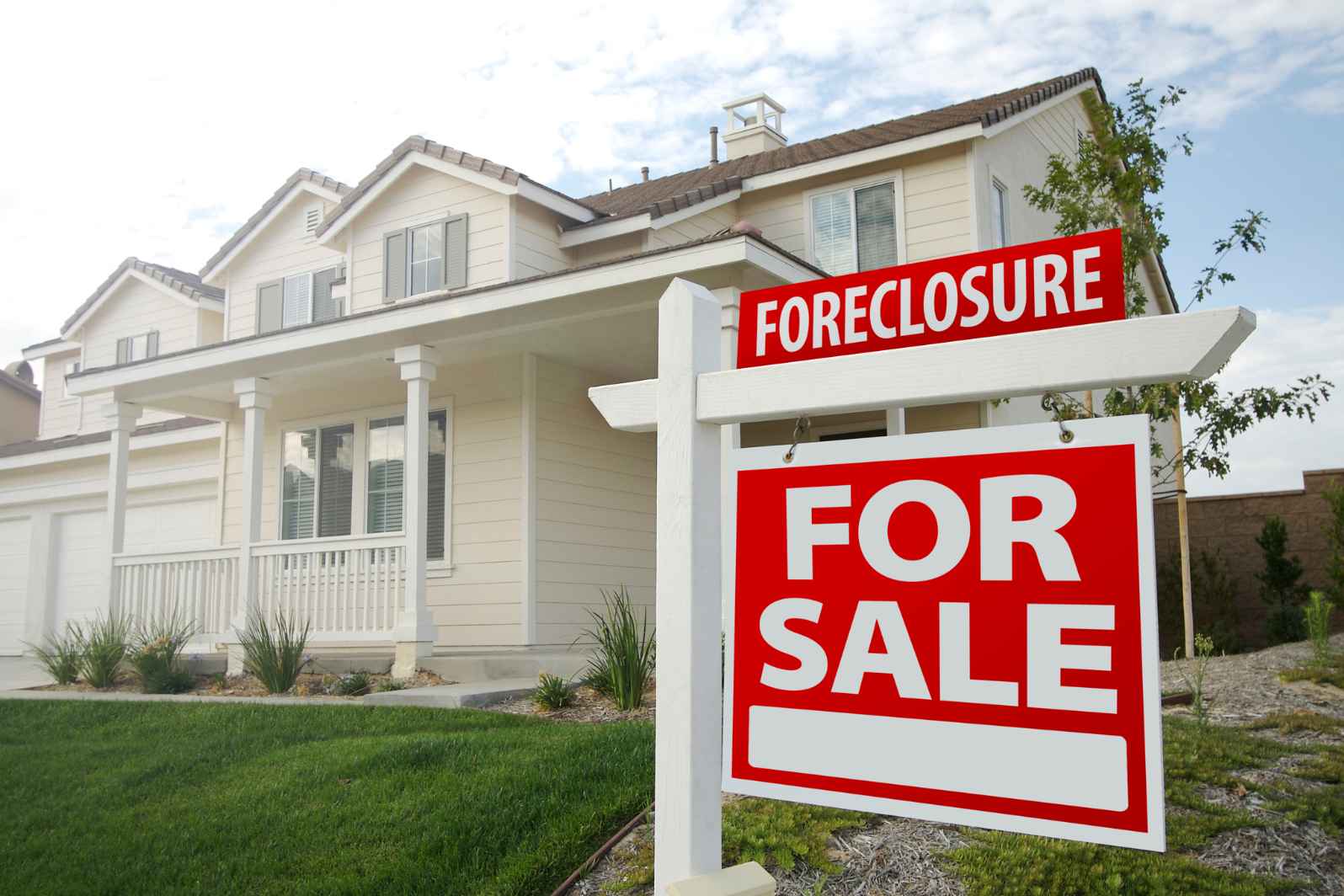
Purchasing a foreclosed home can be a good way to find affordable housing or investment opportunities in your area, but there are things you need to know about the process of acquiring one. A foreclosure occurs when a homeowner stops making their mortgage payments and the lender takes possession of, or sells, the home to recoup the money owed. For the buyers who can withstand a few challenges, these homes can be competitive deals. Knowing the pros and cons will assist you in deciding if a foreclosed property is right for you to buy or not.
1. What Are Foreclosed Properties?
Foreclosure properties are houses seized by lenders when the owners stop paying the mortgage. These are typically sold, or auctioned off through real estate brokers.
Example: A bank might offer a foreclosure property at a discount to recoup its loan quickly.
The takeaway: Foreclosed homes can be a great deal, but they may also come with hidden issues.
2. The Most Cons: Cheaper to Buy
Price is obviously a main draw for foreclosures. Lenders are typically motivated to sell fast and frequently end up doing so for less than the market value.
For instance: A home of ₹60 lakh could sell for ₹45–50 lakh, providing instant equity to the buyer.
The takeaway: Purchasing at below market value can create significant long-term savings.
3. High ROI (Return on Investment) upside
Investors frequently purchase foreclosed houses, fix them up and then either sell them for a profit or rent them out as a source of steady income.
Example: A buyer renovates a heavily discounted foreclosed home and resells it for full market value, reaping a strong return.
The takeaway: If you plan accordingly, buying foreclosures can prove a lucrative investment.
4. Availability in Desirable Locations
Foreclosures can come up in sought-after or trending neighborhoods where entry-level housing is a rarity.
Example: Scoring a home in foreclosure in a high-end neighborhood can bring buyers into areas they might not otherwise be able to afford.
The lesson: Foreclosures can be the keys to popular markets for less money.
5. Faster Transactions Through Auctions
Some foreclosure sales are at auction, which might enable buyers to transact fast.
Example: Owning in weeks, instead of monthsSome auctions can be won and settled so the buyer becomes an owner within weeks rather than months.
Takeaway: Auctions accelerate the buying process for those at the ready with financing.
6. Limited Property Information
Homes in foreclosure are generally sold “as is,” meaning the buyer has no assurances about condition or maintenance.
Example: You won’t see full inspection reports or repair history before your purchase.
The lesson here: Always build in some cost for unforeseen repairs or issues.
7. Possible Property Damage
Some foreclosed properties are abandonded or trashed by previous owners. Repairs are expensive and time-intensive.
Example: Leaks, busted fixtures, or structural issues may not be apparent during a viewing.
The takeaway: A lower cost could include secret repair costs.
8. Competition from Investors
Professional investors and cash buyers flock to foreclosed homes, intensifying the struggle.
Example: First-time buyers often lose bids to investors that have speedy financing or can pay the full amount in cash.
Takeaway: Be ready to move quickly and have your financing in place.
9. Complex Buying Process
Purchasing a foreclosure is more complex than a traditional sale. Paperwork, legal problems or delays in bank approvals can drag things out.
Example: Banks are known to take weeks to go through and respond to offers, even when the price has been fair.
The lesson: Foreclosure transactions take time and good legal assistance.
10. Limited Financing Options
Some homes that have been foreclosed on won’t be eligible for standard loan options if they are in bad shape.
Example: Houses with heavy damage may need to be bought in cash or through special renovation loans.
The takeaway: Buyers should investigate their financing options early to prevent any last-minute surprises.
11. Threat of Undisclosed Liens or Encumbrances
In other instances, foreclosed properties have accompanying unpaid taxes, liens or ownership disputes that the new buyer will assume.
Example: Buyers could take on legal or financial liabilities of the prior owner without a thorough title search.
The lesson: Always do a title search before closing on a foreclosure purchase.
Conclusion
Purchasing a foreclosed property is a smart option for the real estate investor and bargain hunter, as building wealth through buying foreclosures has never been easier than it has been in recent years. But never forget that listing your home presents its own set of concerns — repair expenses, competition and legal tangles. Success is in the detail, do your homework, prepare your own finances and get professional help. With caution, a foreclosed property can be an excellent investment opportunity that offers affordability and long-term equity.
FAQs:
Q1. Why are foreclosed properties cheaper?
They are purchased from lenders looking to quickly unload their loans, typically at a discount.
Q2. Will I be able to see a foreclosed home before it is purchased?
Yes, but access could be restricted depending on whether it’s being sold at auction or by an agent.
Q3. The Pros and Cons of Buying Foreclosed Properties?
It can be if you don’t do your homework, but it’s not impossible to mitigate the risks with inspections and legal checks.
Q4. Can I get a mortgage for a home in foreclosure?
Homes that are in poor shape may need special renovation financing or a cash buyer.
Q5. What do I need to know before buying a foreclosure?
Check out the property, title, and outstanding liens and taxes.
