

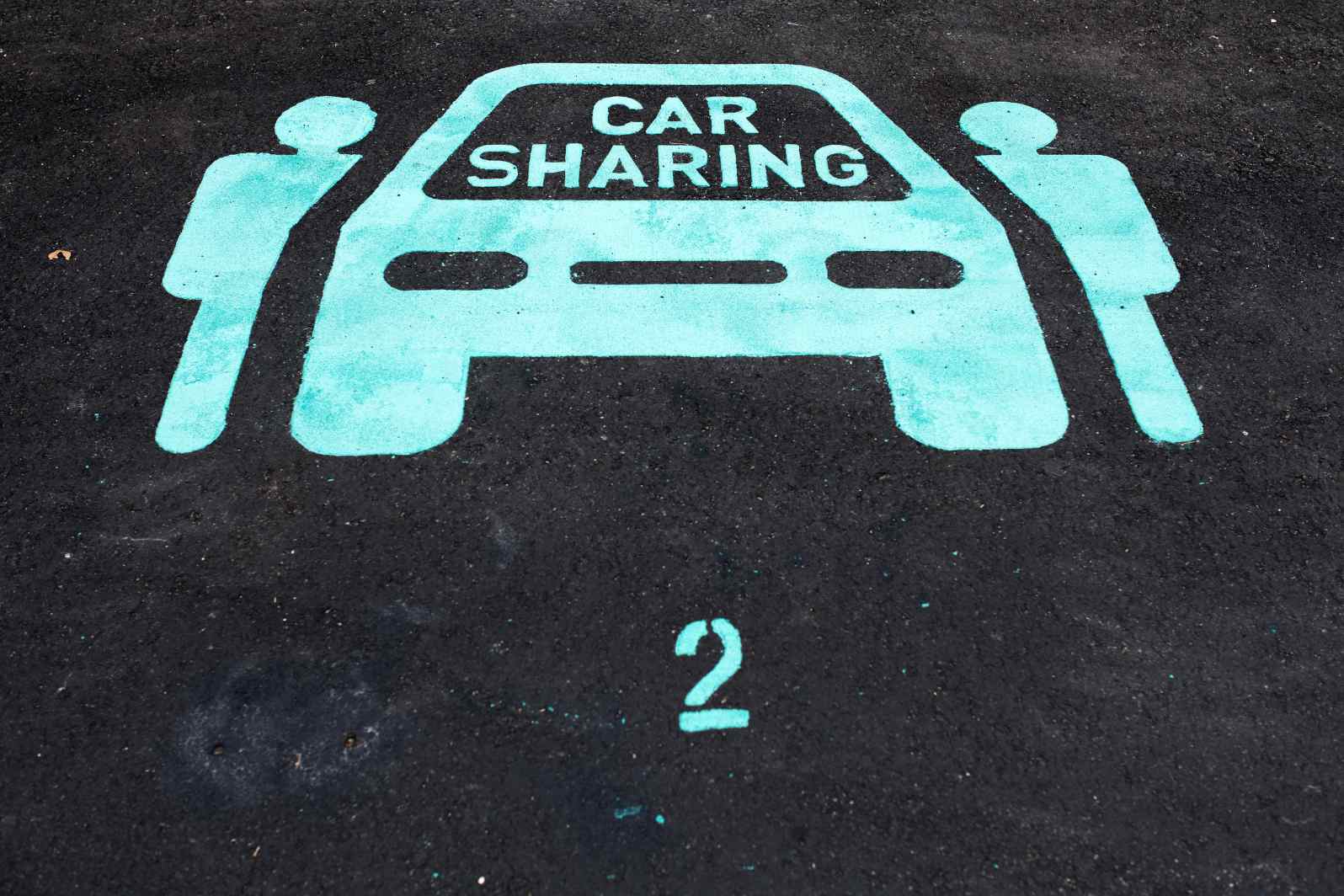
The public is thinking about transportation and it’s changing so fast. As car sharing becomes increasingly popular, you don’t need to own a car to take the drive. Instead, people can rent cars on an as-needed basis, paying for just the time or distance they use them. This transformation is changing how we move around cities and lessening traffic congestion, while redefining what it means to own a car. With the rise of technology and smart cities, car sharing is fast becoming one of the solutions for transportation sustainability and affordability.
1. What Is Car Sharing
Car sharing enables users to have access to a fleet of vehicles instead of owning a vehicle themselves. Members can reserve cars with apps and use them for short trips, returning the vehicles to specified locations.
For example: Services such as Zipcar, Getaround and Revv provide on-demand car rentals to consumers and companies.
The bottom line: Renting a car can offer flexibility, convenience and savings over personal ownership.
2. The Technology Behind Car Sharing
Contemporary car sharing relies on mobile apps, GPS tracking and digital keys that enable the booking and unlocking of cars with ease.
Example: Customers can find an available car close by, reserve it on the fly and unlock it via their smartphones.
The takeaway: Technology helps make car sharing easy and available to anyone with a smartphone.
3. Economic Advantages of Car Sharing
By borrowing, there is none of the expense of buying and maintain a car or paying for insurance.
Illustration: A city dweller who only gripes the wheel at the weekends saves thousands every year by sharing vehicles instead of owning a car.
The lesson: Car sharing provides the same convenience of having a car, but without the financial burden.
4. Environmental Benefits
Shared mobility is a dramatic embrace of commuting fewer vehicles, and with it pollution and carbon emissions.
Example: Research has demonstrated that a single shared car will replace between 8 and 10 private cars (city dependent).
The takeaway: by encouraging car-sharing to make cities cleaner and more sustainable.
5. The Shift in Consumer Mindset
Younger generations are opting for an “access to experience” as opposed to a traditional model of ownership.
For example, millenials and Gen Z commonly opt for car sharing as a service because of convenience over long term costs of owning.
The takeaway: The consumer shift toward access over ownership is behind the growing appeal of shared mobility offerings.
6. Urbanization and Smart City Development
Car sharing facilitates efficient urban transportation as more people live in tighter proximity and lower the need for parking spaces and minimizes traffic congestion.
Example: Cities are blending car sharing stations with public transit to provide a smoother commute.
The twist: Car sharing fits neatly with smart city desires for movement and sustainability.
7. Impact on the Automotive Industry
Automakers are adjusting by collaborating with car sharing firms or starting their own service.
Example: Faced with evolving consumer preferences, brands such as BMW (DriveNow) and Toyota (Kinto) are also creating shared mobility platforms.
The takeaway: Car makers are transforming from car sellers into mobility providers.
8. Electric Vehicles In Car Sharing
Also, seeing many car sharing services are transitioning to a fleet of electric vehicle as well so it helps lower the emissions and maintenance damage.
Example: Eco-friendly ride-sharing services offered by EV-based platforms such as BlueSG and Greenlots.
The bottom line: Combining car sharing and electric mobility is good for sustainability and urban air quality.
9. Challenges Facing Car Sharing
Despite becoming increasingly popular, it is not without its problems which include inconsistencies in availability, parking shortfalls and insurance headaches.
Example: Scarcity of infrastructure in smaller cities obstructs the compatible workings of car sharing networks.
The bottom line: The devil is in the details when solving logistical challenges, a critical factor for long-term success.
10. The Social and Behavioral Impact
Car sharing promotes a sense of community when it comes to transportation, one that is rooted in the love for sharing, saving and conserving.
Example: Shared use makes users more aware of how they travel and their carbon footprint.
The lesson: Car sharing fosters a sense of sustainability and collaborative ownership.
11. The Future of Car Ownership
With the popularity of car sharing, it’s possible that ownership could become a luxury instead of a staple. Models based on subscription, self-driving cars and AI-enabled logistics will continue to reinvent private mobility.
Example: Future cities could be filled with fleets of on-demand driverless cars rather than traditional ownership.
Key takeaway: The next era of mobility will be connected, shared and smarter than ever before.
Conclusion
The rise of car sharing reflects a major transition in human understanding of transportation. It marries technology with convenience and sustainability to provide an option to traditional car ownership. In cities old and new, car sharing is growing as mobility reimagines the future built on access, efficiency, and community. The path ahead is a collective, smarter and greener future of transport.
FAQs:
Q1. What are the differences between car sharing and renting a car?
Car sharing refers to short-term, on-demand access to vehicles (often operated via app) without long-term contracts or paperwork.
Q2. Is Car Sharing Really Cheaper Than Owning a Car?
Yes, especially if you use a car infrequently, as there are no insurance, maintenance or fuel costs.
Q3. Do car sharing services exist in every city?
They are proliferating worldwide, but availability is “driven by infrastructure and local demand,” they said.
Q4. Will car sharing help the environment?
Absolutely. Not as many of them on the road mean less emissions, and smaller environmental impact.
Q5. What’s next for car sharing?
It is likely to be integrated into electric and driverless cars and forms part of the smart city’s transport system.
