

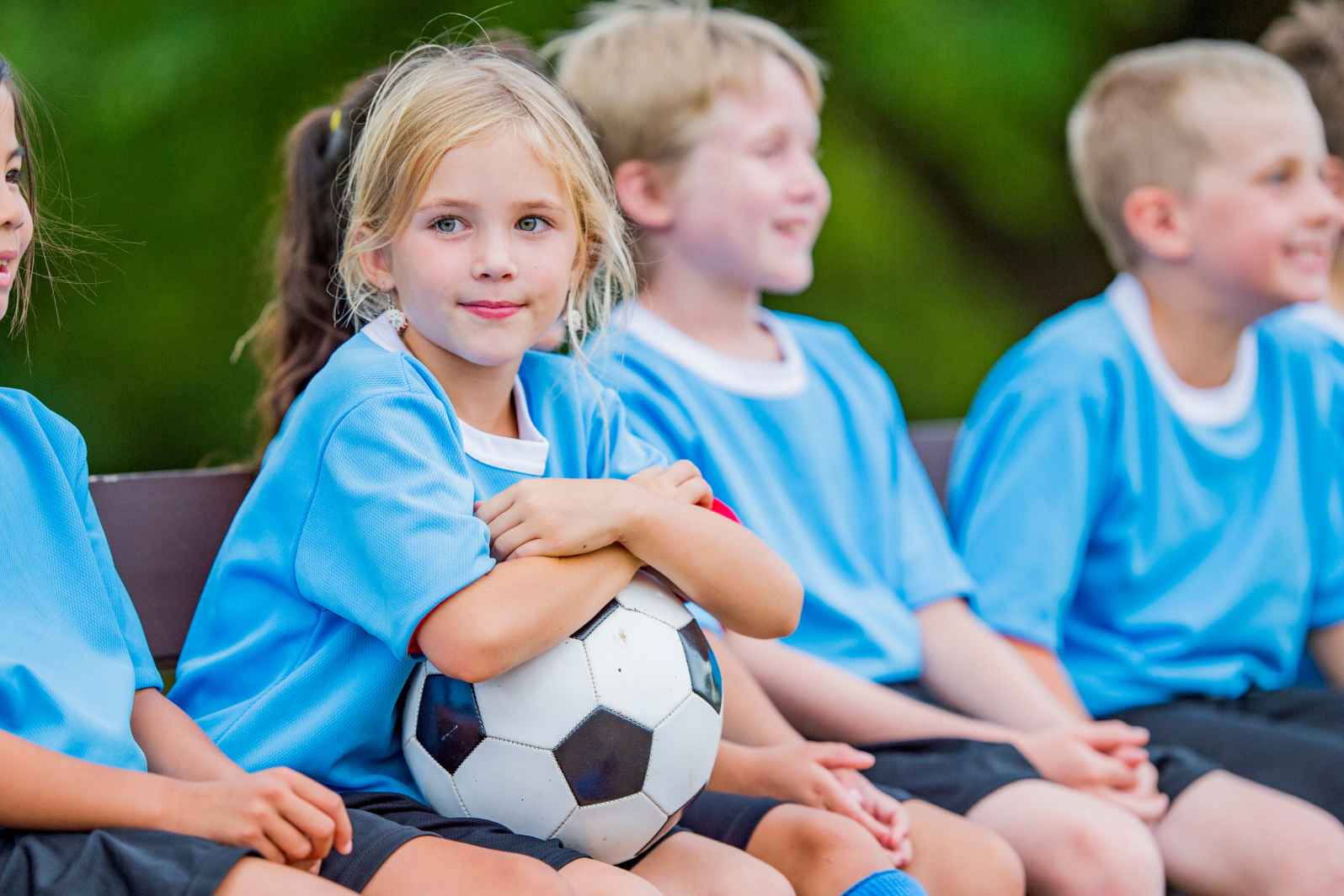
Youth sports is about more than just games it’s an important vehicle for teaching life skills, teamwork and discipline. The problem though is that the current sports culture often takes winning to far, sacrificing attention to the values associated with the games over looking good and feeling momentarily superior. Competition does teach resilience and fortitude, but single-minded attention on victory might also damage a child’s level of confidence, motivation and love for the game. “Striking a balance between building character and chasing success guarantees that sports will help children not only grow in physical abilities but also emotionally.”
1. The Real Reason Sports Are Played in School
The purpose of youth sports, after all, is to instill character, teamwork and respect in children. Winning should not be the end game, rather a side effect of hard work and development.
And example: Soccer coach who applauds effort and improvement instead of merely trumpeting victories molds players whose priority is hard work over scoreboards.
The takeaway: Youths sports should be about development, not simply dominance.
2. How Winning Becomes Everything for Kids
But when the emphasis turns away from having fun and toward winning all the time, children often become anxious about games, they burn out or develop a fear of failure. It’s an environment which can take away the fun of it and make them less likely to keep playing throughout their lives.
Example: A young swimmer who is criticized for losing could eventually quit the sport, even if they enjoy it.
The takeaway: Overreliance on winning can undermine motivation and self-esteem.
3. Building Character Through Teamwork
Team sports help kids learn to work together, communicate and trust. Learning to trust and lean on others while also contributing to the group’s success nurtures empathy and leadership skills.
Example: A basketball player who learns to pass the ball in order that a teammate can score is developing humility and teamwork.
The lesson: Teamwork makes for stronger athletes and better people.
4. Learning from Defeat
Learning to lose graciously is really about learning resilience, sportsmanship and emotional control, all of which are important qualities to take into adult life. Young athletes stay grounded when they realize that failure is stepping stone.
Example: A tennis player thinking about what went wrong rather than accusing someone else after loosing matures and develops growth mindset.
The lesson: Sometimes you learn things in defeat that you can’t, or don’t want to hear, even while winning.
5. The Role of Coaches for Character Growth
Coaches wield immense power in shaping the values of young athletes. Through their words and actions, they show players how to deal with disappointment, success and teamwork.
Example: A coach who acknowledges effort and integrity incentivizes players to care about fairness more than seeking a shortcut.
Takeaway: Coaches are instructors and mentors on both skill and character.
6. Parents and the Winning Mentality
In many cases, parents do a lot to define what kids should expect. When they care too much about trophies, they risk losing sports as the wonder of play and turning them into a source of stress rather than one of joy.
Example: When children hear applause for improvement, not just victory, they’re more likely to stay motivated and confident.
Takeaway: Parental value can focus on effort and enjoyment more than results.
7. Character Traits Sports Can Instill
Youth sports can instill morals such as discipline, respect, patience and teamwork. Such attributes translate off the field and are keys to life-long success.
Example: Conditioning is teaching children about consistency, time efficiency and perseverance.
The lesson: Sports should be a vehicle for the shaping of character, not the massaging of egos.
8. Balancing Competition and Fun
Competition inspires the best in athletes while still keeping it fun and friendly. Excessive competitiveness can turn sports into work rather than play.
Example: Establishing incremental goals and making a fuss about teamwork keeps players in the game and fired up.
The takeaway: When pleasure and learning go hand in hand, performance improves as a matter of course.
9. Long-Term Benefits of Character-First Coaching
Coaches who emphasize personal development tend to produce more athletes who perform better under pressure, and continue in the sport longer. And character-driven programming also reduces churn.
Example: Teams where they encourage players to support one another have higher spirit and stress is lower.
The takeaway: Character matters for both performance and life satisfaction.
10. Redefining Success in Youth Sports
That is a disparity that success cannot possibly continue to be measured only by wins and losses. Training children to set process goals is key to motivation across the lifespan.
Example: A runner out to improve their PB instead of just going for the medals, learns about intrinsic motivation.
The lesson here: Real success is to become a better version of yourself, not to win or be the first.
11. Creating a Positive Sports Culture
Healthy sports environments can be advanced by communities, schools and organizations encouraging team play, fair competition and improvement. Shifting the emphasis from winning to values means all children can gain, regardless of their level of ability.
Example: Rewarding sportsmanship trophies along with championship awards demonstrates that character is as important as results.
The takeaway: A healthy sports culture creates champions in sport and life.
Conclusion
Youth sports provide the ideal platform to imbue virtues that can be carried even beyond the pitch. Rather than prioritize winning whatever the cost, focusing on character will create athletes who are empowered and empathetic. Victory is ephemeral, lessons in character stick around. If balanced correctly, the competition and competitiveness can coexist with kindness on the tennis court and effort remains strong at school but empathy also plays a role.
FAQs:
Q1. Why is youth sports character development important?
It teaches kids discipline, empathy and resilience that can help them in all parts of their lives.
Q2. What can coaches do to emphasize character over competition?
By giving credit for effort, teamwork and sportsmanship in addition to placing high value on the score.
Q3. What is a parent supposed to do at games?
Focus on FUN, development and good behavior rather than the score at the end.
Q4. What do young athletes learn from losing?
They impart emotional discipline, humility and the value of persistence.
Q5. Will less emphasis on winning still create competitive players?
Yes, becasue balanced is what breeds confidence, motivation,and sustainability to peformance.
